
Introduction:
Nepal, with its awe-inspiring landscapes and majestic mountains, has long been a haven for trekkers seeking adventure and breathtaking views. The country boasts a plethora of trekking options, each with its unique charm and challenges. In this comprehensive guide, we delve into 20 of the most iconic treks in Nepal, ranging from the famous Everest Base Camp Trek to the lesser-known gems like the Dolpo Trek and Khopra Danda Trek.
Everest Base Camp Trek:
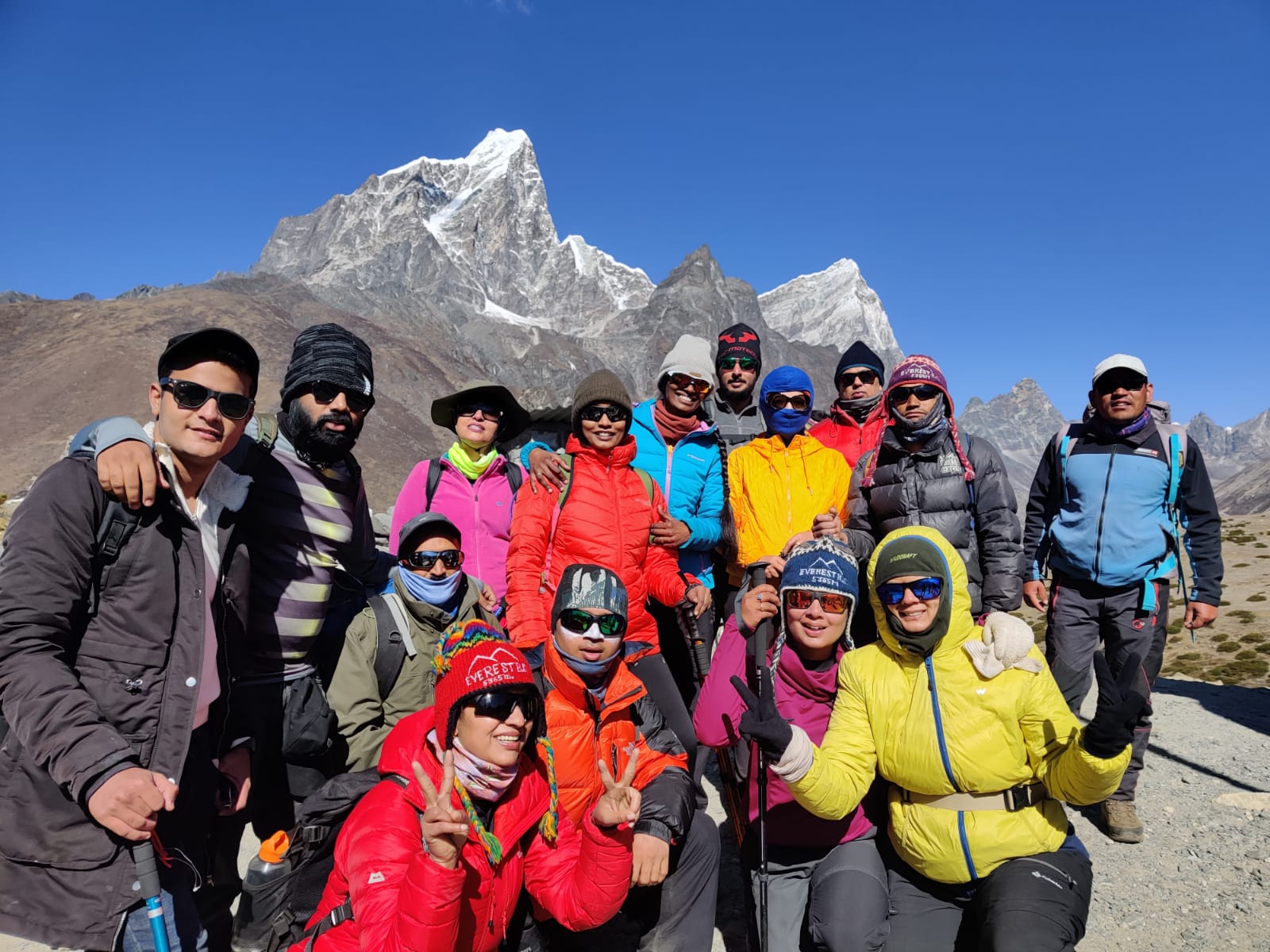
- Undoubtedly one of the most sought-after treks globally, the Everest Base Camp Trek takes you to the foot of the world's highest peak, Mount Everest. The journey begins in Lukla, and trekkers traverse through picturesque Sherpa villages, dense rhododendron forests, and challenging terrain. Highlights include Namche Bazaar, Tengboche Monastery, and, of course, the breathtaking views of Everest.
Everest Base Camp Trek Itinerary
- Day 1: Welcome to Kathmandu! – 1,300 m / 4,265 ft
- Day 2: Kathmandu to Lukla (Flight) to Phakding – 2,651 m / 8,697 ft – 4 hrs
- Day 3: Phakding to Namche – 3,440 m / 11,286 ft – 5 to 6 hrs
- Day 4: Acclimatization Day in Namche -3,700 m / 12,139 ft – 4 to 5 hrs
- Day 5: Namche to Tengboche – 3,956 m / 12,979 ft – 5 to 6 hrs
- Day 6: Tengboche to Dingboche – 4,380 m / 14,370 ft – 4 to 5 hrs
- Day 7: Acclimatization Day in Dingboche– 4,380 m / 14,370 ft – 3 to 4 hrs
- Day 8: Dingboche to Lobuche – 4,938 m / 16,200 ft – 4 to 5 hrs
- Day 9: Lobuche to Gorakshep (Afternoon hike to Kalapatthar)– 5160 m / 16929 ft – 6 to 7 hrs
- Day 10: Gorakshep to Pheriche (Morning hike to – 4,371 m / 14,340 ft – 8 to 9 hrs
- Day 11: Pheriche to Namche – 3,440 m / 11,286 ft – 6 to 7 hrs
- Day 12: Namche to Lukla– 2,860 m / 9,383 ft -7 hr
- Day 13: Lukla to Kathmandu (Flight) – 30 min
- Day 14: Departure from Kathmandu to final destination
Everest base camp trek cost?
A general question, how much does Everest base camp trek cost? Trekking to Everest base camp is a great challenge and a wonderful achievement. The dream adventure to every trekking lover. Everest base camp is under everyone’s bucket list. But most of the trekkers need the general idea about the trek cost. With that purpose, we have prepared a blog to find out the Everest base camp trek cost. We have included all the Everest trekking essentials with approximate costing. We hope you will love it.
1. Airport shuttle
· First thing first, an airport shuttle is important upon your landing at Kathmandu international airport. For airport transport there are two options available. The first option is to pre-book your shuttle to get picked up from the airport. The next option is to book the taxis at the airport after arrival. The general cost for a taxi from the airport to the hotel is US$ 7-US$10. Whereas, private transportation may cost a bit higher.
Airport shuttle charge: US$ 7- US$ 10 one way.
2. Hotel in Kathmandu.
· Accommodation is essential during travel and good accommodation is important. It is exactly the same for Everest base camp trek too. Finding hotels in Kathmandu is very easy nowadays. Typically, we recommend you to book a hotel near Thamel. Thamel is a tourist hub with nice restaurants and bars around. Similarly, you can get all the gears and other stuff needed for the trekking. The cost for the hotel in Kathmandu is from US$ 10 to US$ 250 per night. It depends on your preference.
Hotel charges: US$ 10 to US$ 250 per night (twin or double sharing basis)
3. Lukla flights
One of the things that push the Everest base camp trek cost high is the flight to Lukla. The thirty minutes flight to Lukla from Kathmandu cost US$ 179 one way (2020 updated rate). Basically, there are three different airlines operating the flights to Lukla. And the flights to Lukla happens every morning.
Lukla flight charges: US$ 440 per person both way
4. Permits
The next essential for Everest base camp trek is the permits. Two permits are needed for Everest base camp trekking. The first one is Sagarmatha National Park Entrance Fee and the second is the Pasang Lhamu municipality entrance fee. The total cost for these two permits is US$ 55 total per person. The permits for Everest base camp trek can be issued along the way.
Permit charges: US$ 55 per person for the trek.
5. Guide and Porter charges
Hiring a guide and a porter for Everest trekking is very crucial. As the guide will be helping to learn the culture, to trek on the right path, and to help in difficult conditions. Similarly, the porter will be helping you to carry your stuff. The charges to hire a trekking guide on Everest will cost you US$ 30-US$25 per day. You can share one guide up to 8-10 trekkers. Likewise, the porter in Everest cost US$ 27- US$ 30 per day per porter. You can share 1 porter for 2 trekkers. Typically, the porter can carry 15kgs to 20 kgs.
Guide charge: US$ 30-US$ 35 per day, Porter charge: US$ 27-US$ 30 per day.
6. Food and accommodation
Food and accommodation are the main factors that increase the Everest base camp trek cost. The cost of the food on the Everest base camp trek is about US$ 7 per meal. That way you will be spending US$ 20-25 per day on the basic meals. You can get good food all the way. The healthy and full diet for the trekking would be Dal Bhat (rice and curry). The idea of recommending Dal Bhat is that it comes with a big portion and is refillable. Even if you eat less you can order less as well.
Whereas, the accommodation is not expensive during the Everest trek. Typically, a room will cost US$ 5- US$ 8 per night. Remember you may have to share a room in some cases. Particularly, if it is a high season then finding a private room would not be that easy.
Food charges: US$ 20- US$ 25 per day, Accommodation charges: US$ 5-US$ 8 per night.
7. Drinking water
We recommend you to drink the tap water during the trekking. Buying mineral water may cost US$ 1 to US$ 3 per bottle. So, we recommend you to take one or two-liter water bottles for the water. And you can take water purifying tablets. Although, you can buy mineral water in Gorakshep as the tap water option is not convenient there.
Drinking water charges: US$ 1 -US$ 3 per bottle. (Recommended tap water with water purifying tablets)
8. Toilets and Hot shower
Toilets are available during the Everest base camp. Both American and Indian toilet options are available. But, getting private toilets is not much convenient during the trekking. Likewise, a hot shower is available You have to pay US$ 5- US$ 8 per shower. Some of the places have the gas water heater and some places provide the bucket hot shower.
Hot shower charges: US$ 5- US$ 8 per shower.
9. Electricity and WIFI
All the teahouses of the Everest base camp trek route have electricity available. Charging the gadgets cost US$ 3 to US$ 8 per device. Remember there are no charging points available in your room. This means you have to ask the reception to charge the battery.
Teahouses also have the WIFI access available. But you have to pay US$ 5-US$ 8 per to get the WIFI accessibility in the teahouses.
Electricity charges: US$ 3 to US$ 8 per device, WIFI charges: US$ 5 to US$ 8 per day.
10. Gears
You can rent or buy the gears in Kathmandu. Particularly, Thamel is the best place to get trekking gear. In some cases, if you forget to buy anything in Thamel then you can get it in Namche Bazar. Buying or renting the cost of the gear depends on the quality you are getting.
11. Extra money
Extra money is crucial for the trek. There are no ATMs or banks up from Namche Bazar. So, we recommend you to get at least US$ 200 to US$ 500 as extra money for the emergency.
Extra money: US$ 200 to US$ 500 for the trip.
12. Tipping.
Tipping is applicable during the trek. Although the amount is your preference. Basically, you can tip your guide/porter or at the teahouses.
Everest Base Camp Trek Cost Breakdown
Cost Breakdown
| Item | Cost Range |
|---|---|
| Shuttle | US$ 7 - US$ 10 one way |
| Hotel in Kathmandu | US$ 10 - US$ 250 per night |
| Lukla Flight | US$ 440 both way |
| Permits | US$ 55 per person |
| Guide charges | US$ 20 - US$ 25 per day |
| Porter charges | US$ 17 - US$ 20 per day |
| Food Charges | US$ 20 - US$ 25 per day |
| Accommodation | US$ 5 - US$ 10 per night |
| Drinking water | US$ 1 - US$ 3 per bottle |
| Hot shower | US$ 5 - US$ 8 per shower |
| Electricity | US$ 5 - US$ 8 per gadget- |
| WIFI | US$ 5 - US$ 8 per day |
| Extra money | US$ 200 - US$ 500 |
Estimated cost for 13 days Everest base camp trek: US$ 1332 per person if 2 people trekking
Cost Includes and Excludes for Everest Region
Cost Includes
- Pick up and drop facilities from Airport-Hotel-Airport (by private car)
- Kathmandu to Lukla flight (in and out) including airport transfer and domestic airport tax.
- Full day city tour by private vehicle.
- Welcome and farewell dinner at typical Nepali restaurant with live cultural program.
- Stays in 3 star standard hotels in Kathmandu or clean lodge/guest houses during the trek. (as per availability ) All the rooms will be in twin sharing basis.
- Every meals during the trek.( breakfast, lunch, dinner, including tea and coffees)
- Seasonable fresh fruit.
- Experienced, well trained, English speaking guide with all his expenses, insurance, equipment during your travel period.
- One porter for each two member in a group (with all his expenses, insurance, equipment during your travel period)
- Entrance fees for sightseeing/monument visits as per itinerary.
- Actual Adventure Down jacket and sleeping bag, Duffel bags and walking poles (to be returned after trip completion)
- Actual Adventure T-shirt
- Medical kit (carried by your trek leader)
- All necessary paperwork including Sagarmatha National Park entry permit and Trekkers Information Management System permit (TIMS)
- All government and local taxes.
Cost excludes
- Tips for guides, porters and drivers.
- Nepalese visa fee.
- Extra night accommodation due to any reason in Kathmandu.
- Extra luggage charge.
- Personal expenses not included in the itinerary.
- Recommended Travel and Medical Insurance
- All alcoholic drinks
- Extra charge for the single supplement rooms.
- Extra fees for the battery charge and hot shower during the trek.
Gokyo Lakes Trek:
Situated in the Everest region, the Gokyo Lakes Trek is known for its pristine turquoise lakes and stunning views of Cho Oyu, the sixth highest mountain. Trekkers venture to the Gokyo Ri viewpoint for a panoramic spectacle of the Everest range and the emerald Gokyo Lakes.
Rolwaling Valley Trek:
Trekking through the remote Rolwaling Valley, this adventure leads to the base of Mount Gauri Shankar. The Rolwaling Valley Trek is known for its challenging terrain, high mountain passes, and the serene Tso Rolpa Lake.
Khumbu Three Passes Trek:
For the seasoned trekker seeking a challenge, the Khumbu Three Passes Trek crosses the high mountain passes of Kongma La, Cho La, and Renjo La. This trek provides unparalleled views of Everest, Lhotse, Makalu, and surrounding peaks.
Annapurna Circuit Trek:
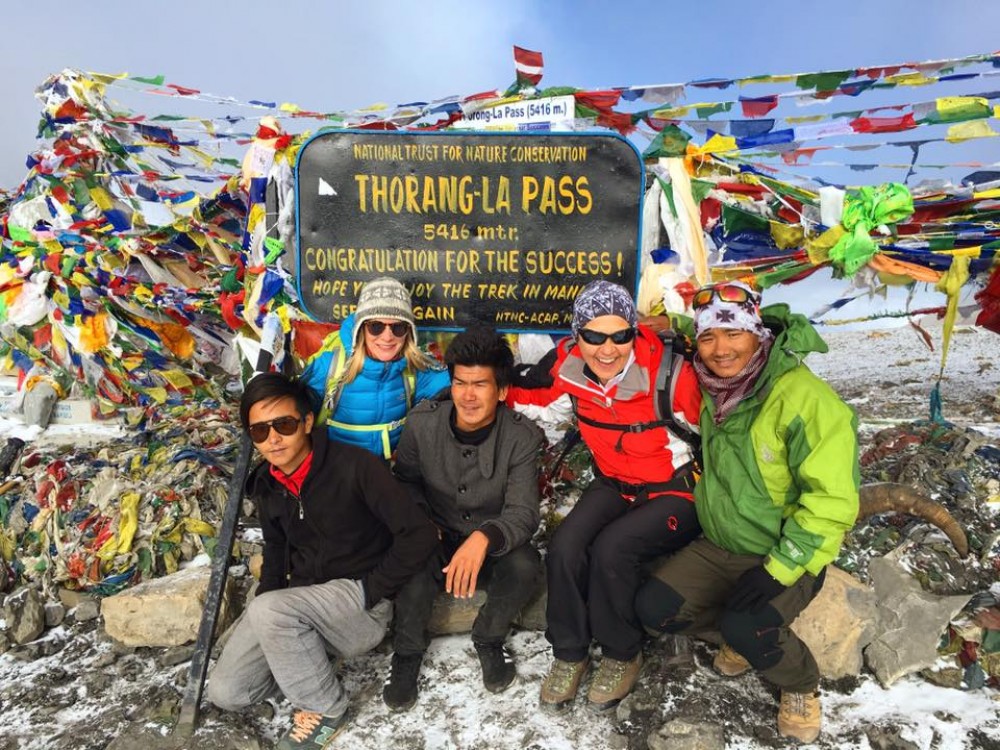
The Annapurna Circuit Trek offers a diverse trekking experience, from subtropical forests to arid landscapes. This classic circuit encircles the Annapurna Massif, providing panoramic views of Annapurna, Dhaulagiri, Machapuchare, and Manaslu. Trekkers pass through ethnic villages, lush valleys, and the famed Thorong La Pass.
Annapurna Base Camp Trek:
Nestled at the heart of the Annapurna Sanctuary, the Annapurna Base Camp Trek takes you to the base of the iconic Annapurna massif. The trail passes through terraced fields, bamboo forests, and charming Gurung villages, culminating in the breathtaking amphitheater of Annapurna Base Camp.
Mardi Himal Trek:
A hidden gem in the Annapurna region, the Mardi Himal Trek provides a tranquil journey through rhododendron forests and terraced fields. The trek culminates at the base of Mardi Himal, offering stunning views of Machapuchare and the Annapurna range.
Poon Hill Trek:
Ideal for trekkers with limited time, the Poon Hill Trek in the Annapurna region is a short but rewarding journey. The trek offers breathtaking sunrise views over the Annapurna and Dhaulagiri ranges from the famed Poon Hill viewpoint.
Khopra Danda Trek:
- An alternative to the popular Poon Hill Trek, the Khopra Danda Trek offers a quieter route with stunning views of the Annapurna and Dhaulagiri ranges. Trekkers enjoy the pristine beauty of the Khopra Ridge and the serene Khayer Lake.
Dhaulagiri Circuit Trek:
- Challenging and less frequented, the Dhaulagiri Circuit Trek circumnavigates the Dhaulagiri massif, the seventh highest mountain in the world. Trekkers navigate through challenging passes, alpine meadows, and traditional villages, providing an off-the-beaten-path adventure.
Cost Includes and Excludes of Annapurna Region
Cost Includes
- Pick up and drop facilities from Airport-Hotel-Airport (by private car)
- Domestic flights included in the itinerary including airport transfer and domestic airport tax.
- Full day city tour by private vehicle.
- Pokhara Sightseeing by private vehicles.
- Welcome and farewell dinner at a typical Nepali restaurant with a live cultural program.
- Stays in 3 star standard hotels in Kathmandu and Pokhara and clean lodge/guest houses during the trek. (as per availability ) All the rooms will be in twin sharing basis.
- Every meals during the trek.( breakfast, lunch, dinner, including tea and coffees)
- Seasonable fresh fruit.
- Experienced, well trained, English speaking guide with all his expenses, insurance, equipment during your travel period.
- One porter for each two member in a group (with all his expenses, insurance, equipment during your travel period)
- Entrance fees for sightseeing/monument visits as per itinerary.
- Actual Adventure Down jacket, sleeping bag, Duffel bags and walking poles (to be returned after trip completion)
- Actual Adventure T-shirt
- Medical kit (carried by your trek leader)
- All necessary paper works (ACAP) entry permits and Trekkers Information Management System (TIMS) permit.
- All government and local taxes
Cost Excludes
- Tips for guides, porters and drivers.
- Nepalese visa fee.
- Extra night accommodation due to any reason in Kathmandu.
- Extra luggage charge.
- Personal expenses not included in the itinerary.
- Recommended Travel and Medical Insurance
- All alcoholic drinks
- Extra charge for the single supplement rooms.
- Extra fees for the battery charge and hot shower during the trek.
- International airfare
Langtang Valley Trek:
- Known for its accessibility from Kathmandu and its stunning alpine scenery, the Langtang Valley Trek takes you through rhododendron forests, traditional Tamang villages, and the serene Langtang Valley. The trek offers spectacular views of Langtang Lirung and the surrounding peaks.
Helambu Trek:
- Close to the Kathmandu Valley, the Helambu Trek is renowned for its Sherpa and Tamang villages, Buddhist monasteries, and panoramic views of the Langtang and Annapurna ranges. The trek provides insight into the local culture and lifestyle.
Langtang cost includes and excludes
Cost Includes
- · Pick up and drop facilities from Airport-Hotel-Airport (by private car)
- · Comfortable private vehicle transportation.
- · Full day city tour by private vehicle.
- · Welcome and farewell dinner at typical Nepali restaurant with live cultural program.
- · Stays in 3 star standard hotels in Kathmandu or clean lodge/guest houses during the trek. (as per availability ) All the rooms will be in twin sharing basis.
- · Every meals during the trek.( breakfast, lunch, dinner, including tea and coffees)
- · Seasonable fresh fruit.
- · Experienced, well trained, English speaking guide with all his expenses, insurance, equipment during your travel period.(4:1)
- · One porter for each two member in a group (with all his expenses, insurance, equipment during your travel period)
- · Entrance fees for sightseeing/monument visits as per itinerary.
- · Actual Adventure Down jacket and sleeping bag, Duffel bags and walking poles (to be returned after trip completion)
- · Actual Adventure T-shirt and trekking map.
- · Medical kit (carried by your trek leader)
- · All necessary paperwork including Langtang National Park entry permit and Trekkers Information Management System permit (TIMS)
- · All government and local taxes.
Cost excludes
- · Tips for guides, porters and drivers.
- · Nepalese visa fee.
- · Extra night accommodation due to any reason in Kathmandu.
- · Extra luggage charge.
- · Personal expenses not included in the itinerary.
- · Recommended Travel and Medical Insurance
- · All alcoholic drinks
- · Extra charge for the single supplement rooms.
- · Extra fees for the battery charge and hot shower during the trek.
- · International airfare
Manaslu Circuit Trek:
- For those seeking a less crowded alternative to the Annapurna and Everest regions, the Manaslu Circuit Trek is an ideal choice. This trek circumnavigates Mount Manaslu, the eighth highest peak in the world, offering a mix of cultural exploration and Himalayan vistas.
Nar Phu Valley Trek:
- Tucked away in the Annapurna region, the Nar Phu Valley Trek takes you to the hidden valleys of Nar and Phu. This off-the-beaten-path trek showcases unique Tibetan culture, ancient monasteries, and panoramic mountain views.
Tsum Valley Trek:
- Known as the "Hidden Valley," Tsum Valley is a sacred Himalayan pilgrimage site. The Tsum Valley Trek explores this secluded valley, rich in Tibetan Buddhist culture, ancient monasteries, and breathtaking landscapes.
Cost Includes and Excludes for Manaslu region.
Cost Includes
- · Pick up and drop facilities from Airport-Hotel-Airport (by private car)
- · Comfortable private vehicle transportation.
- · Full day city tour by private vehicle.
- · Welcome and farewell dinner at typical Nepali restaurant with live cultural program.
- · Stays in 3 star standard hotels in Kathmandu or clean lodge/guest houses during the trek. (as per availability ) All the rooms will be in twin sharing basis.
- · Every meals during the trek.( breakfast, lunch, dinner, including tea and coffees)
- · Seasonable fresh fruit.
- · Experienced, well trained, English speaking guide with all his expenses, insurance, equipment during your travel period.
- · One porter for each two member in a group (with all his expenses, insurance, equipment during your travel period)
- · Travel and rescue arrangements.
- · Entrance fees for sightseeing/monument visits as per itinerary.
- · Actual Adventure Down jacket and sleeping bag, Duffel bags and walking poles (to be returned after trip completion)
- · Actual Adventure T-shirt and trekking map.
- · Medical kit (carried by your trek leader)
- · All necessary paperwork including Trekkers Information Management System permit (TIMS) (ACAP) and special permit for Manaslu.
- · All government and local taxes.
Cost excludes
- · Tips for guides, porters and drivers.
- · Nepalese visa fee.
- · Extra night accommodation due to any reason in Kathmandu.
- · Extra luggage charge.
- · Personal expenses not included in the itinerary.
- · Recommended Travel and Medical Insurance.
- · All alcoholic drinks.
- · Extra charge for the single supplement rooms.
- · Extra fees for the battery charge and hot shower during the trek.
- · International airfare.
Upper Mustang Trek:
- Often referred to as the "Forbidden Kingdom," Upper Mustang boasts a unique, arid landscape with ancient caves, monasteries, and traditional Tibetan culture. The Upper Mustang Trek requires a special permit, offering a glimpse into a preserved Tibetan way of life.
Cost Includes and Excludes for Mustang Region
Cost Includes
· Pick up and drop facilities from Airport-Hotel-Airport (by private car)
· Domestic flights included in the itinerary including airport transfer and domestic airport tax.
· Full day city tour by private vehicle.
· Pokhara Sightseeing by private vehicles.
· Welcome and farewell dinner at typical Nepali restaurant with live cultural program.
· Stays in 3 star standard hotels in Kathmandu and Pokhara and clean lodge/guest houses during the trek. (as per availability ) All the rooms will be in twin sharing basis.
· Every meals during the trek.( breakfast, lunch, dinner, including tea and coffees)
· Seasonable fresh fruit.
· Experienced, well trained, English speaking guide with all his expenses, insurance, equipment during your travel period.
· One porter for each two member in a group (with all his expenses, insurance, equipment during your travel period)
· Entrance fees for sightseeing/monument visits as per itinerary and special permit fee $500.
· Actual Adventure Down jacket, sleeping bag, Duffel bags and walking poles (to be returned after trip completion)
· Actual Adventure T-shirt
· Medical kit (carried by your trek leader)
· All necessary paper works entry permits and Trekkers Information Management System (TIMS) permit.
· All government and local taxes.
Cost Excludes
· Tips for guides, porters and drivers.
· Nepalese visa fee.
· Extra night accommodation due to any reason in Kathmandu.
· Extra luggage charge.
· Personal expenses not included in the itinerary.
· Recommended Travel and Medical Insurance
· All alcoholic drinks
· Extra charge for the single supplement rooms.
· Extra fees for the battery charge and hot shower during the trek.
· International airfare
Kanchenjunga Base Camp Trek:
- Located in the far-eastern part of Nepal, the Kanchenjunga Base Camp Trek takes you to the base of the third highest mountain in the world, Mount Kanchenjunga. This remote and challenging trek offers a unique blend of cultural exploration and pristine wilderness.
Cost Includes and Excludes for Kanchenjunga Trek
Cost Includes
· Pick up and drop facilities from Airport-Hotel-Airport (by private car)
· Domestic flights included in the itinerary including airport transfer and domestic airport tax.
· Full day city tour by private vehicle.
· Welcome and farewell dinner at typical Nepali restaurant with live cultural program.
· Stays in 3 star standard hotels in Kathmandu and clean lodge/guest houses during the trek. (as per availability ) All the rooms will be in twin sharing basis.
· Every meals during the trek.( breakfast, lunch, dinner, including tea and coffees)
· Seasonable fresh fruit.
· Experienced, well trained, English speaking guide with all his expenses, insurance, equipment during your travel period.
· One porter for each two member in a group (with all his expenses, insurance, equipment during your travel period)
· Entrance fees for sightseeing/monument visits as per itinerary.
· Actual Adventure Down jacket, sleeping bag, Duffel bags and walking poles (to be returned after trip completion)
· Actual Adventure T-shirt
· Medical kit (carried by your trek leader)
· Trekkers Information Management System (TIMS) permit special permit for Kanchanjunga trek and Kanchanjunga National park fee.
· All government and local taxes.
Cost Excludes
· Tips for guides, porters and drivers.
· Nepalese visa fee.
· Extra night accommodation due to any reason in Kathmandu.
· Extra luggage charge.
· Personal expenses not included in the itinerary.
· Recommended Travel and Medical Insurance
· All alcoholic drinks
· Extra charge for the single supplement rooms.
· Extra fees for the battery charge and hot shower during the trek.
· International airfare.
Dolpo Trek:
- Dolpo, a remote and culturally rich region, is the setting for the Dolpo Trek. Trekking through Shey Phoksundo National Park, trekkers encounter the stunning Phoksundo Lake, deep gorges, and ancient Bon monasteries.
Rara Lake Trek:
- Situated in the remote northwest of Nepal, the Rara Lake Trek explores the pristine Rara Lake, the largest lake in Nepal. The trek offers a tranquil experience with stunning landscapes and encounters with the local Thakuri and Magar communities.
Cost Includes and Excludes for Dolpo Trek
Cost Includes
· Pick up and drop facilities from Airport-Hotel-Airport (by private car)
· Domestic flights included in the itinerary including airport transfer and domestic airport tax.
· Full day city tour by private vehicle.
· Welcome and farewell dinner at typical Nepali restaurant with live cultural program.
· Stays in 3 star standard hotels in Kathmandu and clean lodge/guest houses during the trek. (as per availability ) All the rooms will be in twin sharing basis.
· Every meals during the trek.( breakfast, lunch, dinner, including tea and coffees)
· Seasonable fresh fruit.
· Experienced, well trained, English speaking guide with all his expenses, insurance, equipment during your travel period.
· One porter for each two member in a group (with all his expenses, insurance, equipment during your travel period)
· Entrance fees for sightseeing/monument visits as per itinerary.
· Actual Adventure Down jacket, sleeping bag, Duffel bags and walking poles (to be returned after trip completion)
· Actual Adventure T-shirt
· Medical kit (carried by your trek leader)
· All necessary paper work and trekking permits (National park permit, TIMS)
· All government and local taxes.
Cost Excludes
· Tips for guides, porters and drivers.
· Nepalese visa fee.
· Extra night accommodation due to any reason in Kathmandu.
· Extra luggage charge.
· Personal expenses not included in the itinerary.
· Recommended Travel and Medical Insurance
· All alcoholic drinks
· Extra charge for the single supplement rooms.
· Extra fees for the battery charge and hot shower during the trek.
· International airfare
Ganesh Himal Trek:
- The Ganesh Himal Trek takes you through terraced fields, dense forests, and traditional villages in the Ganesh Himal region. This less-explored trek offers stunning views of the Ganesh Himal range and an authentic cultural experience.
Conclusion:
Nepal's diverse and spectacular trekking options cater to a wide range of adventurers, from beginners to seasoned trekkers. Whether you seek the iconic views of Everest, the cultural richness of remote valleys, or the tranquility of alpine lakes, Nepal's trekking trails offer an unforgettable journey into the heart of the Himalayas. Each trek is a unique experience, weaving together nature, culture, and the indomitable spirit of exploration. Choose your adventure, lace up your boots, and embark on
Top Reasons to Book Your Nepal Trekking Adventure with a Local Agency"
Introduction:
Embarking on a trekking adventure in Nepal is a dream for many outdoor enthusiasts, and choosing the right agency to facilitate your journey can significantly impact your experience. While there are numerous international trekking operators, opting for a local agency offers a host of advantages. In this article, we explore the compelling reasons why booking your trekking expedition with a local agency in Nepal is the ideal choice.
Local Expertise:
- Local trekking agencies are rooted in the Himalayan landscapes, possessing an intimate knowledge of the trails, cultures, and challenges that come with trekking in Nepal. Their expertise stems from years of firsthand experience, allowing them to provide invaluable insights, ensuring a safer and more enjoyable trek.
Cultural Insight:
- Nepal's diverse cultures and traditions are an integral part of the trekking experience. Local agencies often have strong connections with communities along the trekking routes, offering a deeper cultural immersion for trekkers. This fosters a more authentic experience, allowing travelers to engage with local customs and traditions.
Support Local Economies:
- Choosing a local agency contributes directly to the local economy. These agencies often hire local guides, porters, and support staff, providing employment opportunities for residents of the trekking regions. By booking with a local agency, trekkers actively participate in sustainable tourism, benefiting the communities they traverse.
Cost-Effectiveness:
- Local agencies typically offer competitive pricing for trekking packages. By cutting out the middleman, trekkers can secure more affordable rates without compromising on the quality of services. Local agencies understand the importance of budget constraints and aim to provide cost-effective options for a wide range of trekking enthusiasts.
Flexibility and Customization:
- Local agencies are often more flexible in tailoring trekking itineraries to meet the specific preferences and requirements of their clients. Whether it's adjusting the duration of the trek, modifying the route, or accommodating special requests, local agencies can provide a personalized and responsive service.
Quick Response and Communication:
- Communication is crucial when organizing a trek, and local agencies excel in providing prompt and efficient responses. Being in the same time zone and having a direct line of communication with local staff ensures that trekkers receive immediate assistance and information, enhancing the overall planning and trekking experience.
Responsible and Eco-Friendly Practices:
- Local agencies are often more committed to sustainable and responsible tourism practices. They understand the delicate balance between enjoying the natural beauty of Nepal and preserving it for future generations. Many local agencies actively participate in eco-friendly initiatives, such as waste management and community development projects.
Safety Measures:
- Local agencies prioritize the safety of trekkers as they are familiar with the local terrain, weather conditions, and potential risks. They employ experienced local guides who are trained to handle emergencies, ensuring that trekkers are in capable hands throughout their journey.
Community Involvement:
- Many local agencies actively engage in community development projects, giving back to the regions they operate in. By choosing a local agency, trekkers indirectly contribute to these initiatives, fostering a sense of responsibility and sustainability within the trekking industry.
Conclusion:
Booking your Nepal trekking adventure with a local agency goes beyond securing a guide; it's about embracing the spirit of responsible and immersive travel. With local expertise, cultural insights, and a commitment to sustainable practices, these agencies enhance the overall trekking experience, allowing you to not only witness the beauty of the Himalayas but also become a responsible and contributing traveler in the communities you explore.
Why Choose Actual Adventure Pvt Ltd for Your Trekking Experience in Nepal"
Nepal's majestic landscapes and towering peaks have long enticed trekkers from around the globe, and choosing the right trekking agency is paramount to ensuring a memorable and seamless adventure. Among the myriad of options, Actual Adventure Pvt Ltd stands out as a leading choice for those seeking an authentic, personalized, and expertly guided trekking experience in the heart of the Himalayas. In this article, we delve into the compelling reasons why you should consider booking your trekking adventure with Actual Adventure Pvt Ltd.
Local Expertise and Experience:
- Actual Adventure boasts a team of seasoned trekking professionals with extensive knowledge of the Himalayan terrain. With years of experience, our local guides are not only experts in navigating the trails but are also well-versed in the cultural nuances, ensuring a comprehensive and immersive trekking experience.
Tailored Itineraries for Every Adventurer:
- Recognizing that each trekker has unique preferences and capabilities, Actual Adventure offers a range of meticulously crafted itineraries. Whether you are an experienced mountaineer or a first-time trekker, our customizable trekking packages cater to all levels, ensuring a journey that aligns with your interests and abilities.
Commitment to Safety:
- Your safety is our top priority. Actual Adventure is dedicated to maintaining the highest safety standards throughout your trek. Our guides are trained in first aid and emergency response, and we continuously assess and adapt to changing conditions to ensure a secure trekking experience.
Community Engagement and Responsible Tourism:
- At Actual Adventure, we believe in giving back to the communities we traverse. We actively engage in community development projects, contributing to the well-being and sustainability of the regions we operate in. By choosing Actual Adventure, you become a part of our commitment to responsible tourism.
Transparent and Competitive Pricing:
- We understand the importance of transparent pricing and strive to offer competitive rates without compromising on the quality of services. Our packages are designed to provide excellent value for your investment, ensuring that you receive the best possible trekking experience within your budget.
Exceptional Customer Service:
- Our commitment to your satisfaction goes beyond the trails. Actual Adventure takes pride in providing exceptional customer service from the moment you inquire about a trek until the completion of your journey. Our responsive and dedicated team is here to address your queries, ensuring a smooth and enjoyable experience.
Inclusive Packages with No Hidden Costs:
- Actual Adventure believes in clarity and transparency. Our trekking packages are all-inclusive, covering permits, accommodations, meals, transportation, and more. With no hidden costs, you can embark on your adventure with confidence, knowing that everything is taken care of.
Cultural Immersion:
- We understand that the cultural aspect is as vital as the physical challenge in trekking. Actual Adventure incorporates cultural experiences into its itineraries, allowing you to interact with local communities, participate in traditional rituals, and gain a deeper understanding of the rich heritage of the Himalayan regions.
Conclusion:
Embarking on a trekking adventure with Actual Adventure Pvt Ltd is not just about reaching the summit; it's about embracing the spirit of exploration, cultural discovery, and responsible travel. With our local expertise, commitment to safety, and dedication to providing exceptional service, we invite you to join us for an unparalleled trekking experience amidst the breathtaking landscapes of Nepal's Himalayas. Choose Actual Adventure for a journey that transcends expectations and leaves you with lasting memories of the world's most iconic mountain ranges.
Mastering the Peaks: A Guide to Physical Preparation for Mountain Trekking
Embarking on a mountain trek is a thrilling adventure that demands physical fitness, mental resilience, and meticulous preparation. Whether you're aiming for Everest's summit or exploring the breathtaking landscapes of the Himalayas, a well-prepared body is your best ally. Let's delve into the essentials of getting fit for mountain trekking and conquering the challenges that lie ahead.
Prepration before planning trekking in Himalayas
Trekking in the Himalayas is an exhilarating adventure, but proper preparation is essential to ensure a safe and enjoyable experience. Here's a checklist to help you prepare for a trek in the Himalayas:
How do I Get Fit for Mountain Trekking?
Cardiovascular Endurance:
Building cardiovascular endurance is crucial for mountain trekking. Engage in activities like running, cycling, and swimming to enhance your stamina. Aim for at least 30 minutes of moderate-intensity cardio exercises several times a week.
Strength Training:
Strengthen your lower body, core, and upper body to handle the varied terrains of mountainous regions. Incorporate squats, lunges, deadlifts, and bodyweight exercises into your routine. Strengthening exercises will help you navigate steep ascents and descents.
Altitude-specific Conditioning:
Simulate high-altitude conditions by training at higher elevations or using altitude-simulation equipment. This aids in acclimatization, allowing your body to adapt to reduced oxygen levels.
How do I Prepare My Body for Mount Everest?
Scaling Mount Everest requires rigorous physical preparation. In addition to the general mountain trekking fitness routine, consider the following:
Specificity Training:
Simulate Everest-like conditions with specific training, including prolonged uphill hikes, carrying a weighted backpack, and altitude training if possible.
Climbing Stairs:
Practice climbing stairs with a loaded backpack, mimicking the steep ascents you'll encounter on Everest. This helps build strength in your legs and improves endurance.
Mental Resilience:
Develop mental toughness to cope with the physical and psychological challenges of Everest. Incorporate meditation, visualization, and mindfulness practices into your routine.
What Should You Pack for the Himalayas?
Packing wisely is crucial for a successful trek. Consider the following essentials:
Clothing:
Pack layers to adapt to changing temperatures. Include a waterproof jacket, insulated layers, and moisture-wicking base layers. Don't forget a hat, gloves, and a pair of durable trekking boots.
Equipment:
Carry a well-fitted backpack, a reliable sleeping bag suitable for low temperatures, trekking poles for stability, and a good-quality tent if camping.
Nutrition and Hydration:
Pack high-energy snacks, a water purification system, and a reusable water bottle. Stay hydrated to combat altitude-related challenges.
First Aid Kit:
Include essential medications, blister treatment, bandages, and a basic first aid manual.
How Do You Train for High Altitude Trekking?
Training for high-altitude trekking involves a combination of cardiovascular fitness, strength training, and altitude-specific conditioning.
Altitude Simulation:
If possible, incorporate altitude simulation techniques, such as training masks or altitude tents, to prepare your body for reduced oxygen levels.
Gradual Acclimatization:
Plan your trek to include gradual acclimatization. Ascend slowly to higher altitudes, allowing your body to adapt and minimize the risk of altitude sickness.
Controlled Breathing Exercises:
Practice controlled breathing exercises to optimize oxygen intake and improve respiratory efficiency. This will be beneficial when tackling high-altitude challenges.
Which Exercise is Best for Trekking?
Walking and Hiking:
Walking and hiking are the most specific exercises for trekking. Gradually increase the duration and intensity of your walks, incorporating uphill and downhill sections.
Stair Climbing:
Climbing stairs helps build strength in your legs and enhances cardiovascular endurance, simulating the demands of trekking.
Interval Training:
Include interval training to boost overall fitness. Alternating between periods of high-intensity exercise and rest mirrors the variable demands of trekking.
What is the Best Exercise for Hiking Uphill?
Incline Treadmill Walking or Running:
Utilize an incline treadmill to simulate uphill trekking. This targets the muscles used during uphill climbs and improves cardiovascular fitness.
Lunges and Step-ups:
Incorporate lunges and step-ups into your routine to strengthen the muscles involved in hiking uphill. Use a backpack to add resistance.
Stair Climbing:
Climbing stairs is an excellent exercise for mimicking uphill terrain. It engages the quadriceps, hamstrings, and glutes.
What Exercises are Good for High Altitude?
Cardiovascular Exercises:
Engage in cardiovascular exercises like running, cycling, and swimming to enhance overall endurance and lung capacity.
Interval Training:
Interval training improves cardiovascular fitness and helps the body adapt to varying oxygen levels, beneficial for high-altitude trekking.
Breathing Exercises:
Practice controlled breathing exercises to enhance respiratory efficiency and acclimatize to reduced oxygen levels.
How Good of Shape Do You Need to Be in to Climb Everest?
Climbing Everest demands exceptional physical fitness. You should be in excellent cardiovascular shape, possess strong lower body and core muscles, and have the mental resilience to endure challenging conditions. Specific Everest training, including altitude simulation and prolonged uphill climbs, is essential.
Will You See Bodies if You Climb Everest?
Everest's challenging conditions have resulted in unfortunate incidents, and some climbers have lost their lives on the mountain. In certain areas, including the Everest Death Zone, where oxygen levels are critically low, climbers may encounter the remains of those who perished during previous expeditions.
Can I Climb Everest with No Experience?
Climbing Everest without prior experience is highly discouraged. Successful climbers typically have extensive high-altitude trekking and mountaineering experience. It's crucial to be well-versed in technical skills, ice and rock climbing, and have a thorough understanding of Everest's challenges.
What Should I Eat While Climbing Everest?
Maintaining proper nutrition is vital during an Everest expedition. Consume a balanced diet rich in carbohydrates, proteins, and fats. Include high-energy snacks, energy bars, and hydration with electrolyte-rich fluids to fuel your body during the ascent.
How to Dress for Everest?
Dressing appropriately for Everest requires layers to adapt to changing temperatures. Wear moisture-wicking base layers, insulating layers for warmth, and a waterproof and windproof outer layer. Don't forget a good-quality hat, gloves, and insulated boots.
How Much Weight Do You Carry up Everest?
The weight you carry up Everest includes your personal gear, food, and equipment. On average, climbers carry 30 to 40 kilograms (66 to 88 pounds) of gear, distributed between their backpack and additional equipment like climbing ropes and ice axes.
What is the Easiest Way to Climb Everest?
There is no easy way to climb Everest, as it remains one of the world's most challenging mountaineering feats. However, choosing a reputable expedition company, undergoing thorough training, and acclimatizing properly can enhance your chances of success.
Can You Climb Mount Everest Without Oxygen?
While it is technically possible to climb Everest without supplemental oxygen, the vast majority of climbers use oxygen to support their ascent. Oxygen helps alleviate the effects of reduced oxygen levels at high altitudes, enhancing climbers' chances of reaching the summit safely.
How Do You Get More Oxygen at High Altitudes?
To increase oxygen intake at high altitudes:
Controlled Breathing:
Practice controlled breathing to optimize oxygen intake. Focus on slow, deep breaths to enhance respiratory efficiency.
Altitude Training:
Engage in altitude training to stimulate the body's adaptation to reduced oxygen levels. This can include training at higher elevations or using altitude-simulation equipment.
Supplemental Oxygen:
In extreme altitudes, climbers often use supplemental oxygen to maintain sufficient oxygen levels for bodily functions.
Why Can't I Sleep at High Altitudes?
Difficulty sleeping at high altitudes is a common phenomenon known as high-altitude insomnia. Factors contributing to this include reduced oxygen levels, changes in barometric pressure, and disruptions in circadian rhythm. Adequate acclimatization, hydration, and proper rest can help mitigate sleep issues.
How Do You Take Diamox for Altitude?
Diamox, or acetazolamide, is a medication that aids in altitude acclimatization. Typically, it is taken one to two days before ascending to high altitudes. The usual dosage is 125 to 250 mg twice daily. Consult with a healthcare professional for personalized advice and potential side effects.
What Happens to Your Body When You Train at High Altitude?
Training at high altitude triggers physiological adaptations to cope with reduced oxygen levels. This includes an increase in red blood cell production to enhance oxygen-carrying capacity, improved lung efficiency, and enhanced cardiovascular function. These adaptations prepare the body for the challenges of high-altitude trekking.
Why Do We Feel Difficulty Breathing at the Hill Station?
Difficulty breathing at high altitudes, including hill stations, is due to the lower oxygen levels. As altitude increases, the air pressure decreases, leading to a reduction in the amount of oxygen available for inhalation. This can result in shortness of breath, especially during physical exertion.
Does Your Body Work Harder in High Altitude?
Yes, the body works harder in high altitude to compensate for reduced oxygen levels. The heart rate increases, and the respiratory rate rises to deliver more oxygen to vital organs. This increased effort can lead to fatigue, shortness of breath, and other symptoms associated with altitude sickness.
What are the Disadvantages of High Altitude Training?
While high-altitude training offers benefits like improved endurance and oxygen efficiency, it also poses potential disadvantages. These may include dehydration, disturbed sleep patterns, increased susceptibility to illness, and the risk of altitude-related conditions such as acute mountain sickness (AMS).
Embarking on a mountain trek, especially to challenging peaks like Everest, requires a holistic approach to physical and mental preparation. From cardiovascular conditioning to altitude-specific training, proper gear, and acclimatization strategies, mastering the peaks demands dedication and comprehensive preparation. Whether you're a seasoned mountaineer or a trekking enthusiast, respect for the mountains and meticulous preparation are your keys to a safe and rewarding adventure.
Physical Fitness:
- Cardiovascular Endurance: Trekking involves walking for long hours, often at high altitudes. Improve your cardiovascular fitness through activities like running, cycling, or brisk walking.
- Strength Training: Strengthen your legs, core, and upper body to handle the demands of trekking with exercises like squats, lunges, and planks.
Medical Checkup:
- Health Assessment: Consult with a healthcare professional to ensure you are physically fit for high-altitude trekking. Discuss any pre-existing medical conditions and get any necessary vaccinations.
Acclimatization:
- Gradual Ascent: Allow time for acclimatization to high altitudes. Gradually ascend to higher elevations to minimize the risk of altitude sickness.
- Altitude Medication: Consider carrying medication for altitude sickness, such as Diamox, and consult with a doctor about its usage.
Gear and Equipment:
- Quality Trekking Gear: Invest in good-quality trekking boots, weather-appropriate clothing, a sturdy backpack, and other essential gear. Ensure everything fits well and is in good condition.
- Sleeping Bag and Mat: Choose a sleeping bag suitable for the temperatures you may encounter. A sleeping mat provides insulation and comfort.
Research and Planning:
- Route Planning: Research the trekking route, including trail conditions, weather patterns, and possible challenges. Obtain detailed maps and information about the terrain.
- Permits and Regulations: Check and obtain any necessary permits for trekking in the region. Familiarize yourself with local regulations and customs.
- Emergency Contacts: Save emergency contact numbers, including local authorities, rescue services, and embassy contacts.
Skills and Training:
- Navigation Skills: Learn basic navigation skills, including reading maps and using a compass. Familiarize yourself with the trekking route.
- Basic First Aid: Take a basic first aid course, focusing on treating common trekking-related injuries and illnesses.
Mental Preparation:
- Positive Mindset: Develop a positive mindset and mental resilience. Trekking can be physically and mentally challenging, so mental preparation is crucial for success.
- Coping with Isolation: In remote areas, you may be away from modern conveniences. Prepare mentally for the isolation and embrace the opportunity for a digital detox.
Environmental Considerations:
- Leave No Trace Principles: Familiarize yourself with and adhere to Leave No Trace principles to minimize your environmental impact.
- Waste Management: Bring reusable containers and pack out all waste, including biodegradable items.
Communication:
- Communication Devices: Carry communication devices such as a satellite phone or a personal locator beacon in case of emergencies.
Remember to adapt this checklist based on the specific requirements of your trek and the region you plan to explore. Always prioritize safety and be prepared for changing weather conditions in mountainous terrain.
Unlocking the Mysteries of Himalayan Trekking: A Comprehensive Guide
The mighty Himalayas, standing tall and majestic, have long been a magnet for trekkers and adventure enthusiasts from around the world. With its awe-inspiring landscapes, diverse terrain, and a multitude of trekking options, the Himalayas offer an unparalleled experience for those seeking the thrill of the great outdoors. In this comprehensive guide, we aim to answer some of the most frequently asked questions about trekking in the Himalayas.
Which Month is Best for Trekking in Himalayas?
Choosing the right time for your Himalayan trek is crucial, as weather conditions can vary significantly. The best months for trekking in the Himalayas are generally during the pre-monsoon (spring) and post-monsoon (autumn) seasons. April to June and September to November are considered ideal, offering clear skies, moderate temperatures, and breathtaking views.
Is Himalayan Trek Difficult?
The difficulty level of Himalayan treks varies widely, catering to both beginners and seasoned trekkers. The easiest trek in the Himalayas is often considered to be the Ghorepani Poon Hill trek, offering stunning views of the Annapurna and Dhaulagiri mountain ranges. However, more challenging treks like the Everest Base Camp and Annapurna Circuit require a higher level of fitness and experience.
How Expensive is Trekking in Nepal?
The cost of trekking in Nepal depends on various factors, including the chosen trek, duration, and the level of comfort you seek. On average, trekking in Nepal can cost anywhere from $500 to $2000, covering permits, guides, accommodation, and meals. Budget-conscious travelers can opt for teahouse trekking, while those seeking a more luxurious experience may choose organized tours with added amenities.
What is the Coldest Month in the Himalayas?
The coldest months in the Himalayas are typically December and January. During these months, temperatures can drop significantly, especially at higher altitudes. Trekkers need to be well-prepared with proper gear, including insulated clothing, to brave the chilly conditions.
What is the Best Age to Start Trekking?
Trekking is a versatile activity suitable for a wide range of age groups. While children as young as 8 years old can participate in shorter and less strenuous treks, adults of all ages can enjoy the adventure. It's essential to choose a trek that matches your fitness level and experience.
Which Month is Best for Everest?
For those aspiring to conquer Everest, the best time is during the pre-monsoon season in April and May. This window offers stable weather conditions and a relatively clear route to the summit. However, climbing Everest is an arduous and expensive endeavor, reserved for experienced mountaineers.
What is the Best Time to Visit the Himalayas?
The best time to visit the Himalayas depends on your preferences and the specific region you plan to explore. As mentioned earlier, the pre-monsoon and post-monsoon seasons are generally favorable for trekking. However, if you're interested in witnessing snowfall, the winter months of December to February are perfect for a different kind of Himalayan experience.
How Many Days is Trekking?
The duration of a trek in the Himalayas varies based on the chosen route. Short treks, like the Langtang Valley trek, can be completed in 7-10 days, while longer treks such as the Annapurna Circuit or Everest Base Camp may take 12-20 days, including acclimatization days.
Which Month is Best for Annapurna?
Similar to other Himalayan treks, the best months for the Annapurna region are April to June and September to November. During these periods, the weather is relatively stable, providing clear views of the Annapurna and Dhaulagiri mountain ranges.
Which is the Best Place for Trekking?
The Himalayas offer a myriad of trekking options, each with its unique charm. Popular destinations include Everest Base Camp, Annapurna Circuit, Langtang Valley, and the mystical Upper Mustang. The best place for trekking ultimately depends on your preferences, whether you seek panoramic views, cultural experiences, or a combination of both.
What Day of the Week is Best to Hike?
The choice of the day for hiking largely depends on personal preferences and the specific trekking route. Generally, weekdays may see fewer crowds on popular trails, providing a more serene experience. However, it's advisable to check local conditions and trekking regulations for the specific region.
What is the Best Time to Trek in Nepal?
While the pre-monsoon and post-monsoon seasons are generally recommended, specific trekking regions may have optimal times. It's essential to research and plan according to the unique characteristics of each trekking route.
Which Month is Good for Hiking?
Hiking in the Himalayas is best enjoyed during the same seasons as trekking – April to June and September to November. These months offer pleasant weather and clear visibility, enhancing the overall hiking experience.
How Many Days Trekking in Nepal?
The duration of trekking in Nepal varies depending on the chosen route. Short treks can be completed in a week, while longer and more challenging treks may take up to three weeks or more.
Is Trekking Costly?
The cost of trekking in Nepal can vary widely, catering to different budgets. Teahouse trekking is a more economical option, while organized tours with added amenities can be relatively more expensive. It's essential to budget for permits, guides, accommodation, meals, and any additional services you may require.
Is Hiking in Nepal Expensive?
Hiking in Nepal can be as affordable or as luxurious as you choose. Opting for local teahouses and basic accommodations can significantly reduce costs, making it a budget-friendly adventure. However, those seeking a more comfortable and guided experience may incur higher expenses.
What is the New Rule for Trekking in Nepal?
Trekking regulations in Nepal may evolve, and it's crucial to stay updated on any new rules or permits. As of the latest information available, trekkers are required to obtain necessary permits for specific regions, and hiring a licensed guide is mandatory for certain treks.
What is the 9-Day Trek in Nepal?
There are several 9-day trekking options in Nepal, catering to different preferences and fitness levels. Popular choices include the Ghorepani Poon Hill trek, Langtang Valley trek, and the Annapurna Base Camp trek. These shorter treks are ideal for those with limited time but still offer a taste of the Himalayan experience.
Can Beginners Trek Nepal?
Absolutely! Nepal offers a range of treks suitable for beginners. Shorter and less challenging treks, such as the Ghorepani Poon Hill trek, are perfect for those new to trekking. It's essential to assess your fitness level and choose a trek that aligns with your capabilities.
What is the Longest Trek in Nepal?
The Great Himalaya Trail is the longest trekking route in Nepal, covering approximately 1,700 kilometers. This trail traverses the entire length of the country, offering a unique and adventurous journey for those seeking an extended trekking experience.
How Safe is Trekking in Nepal?
Trekking in Nepal is generally considered safe, but it's crucial to follow safety guidelines and adhere to local regulations. Hiring an experienced guide, acclimatizing properly, and being well-prepared for the trek are essential practices to ensure a safe and enjoyable experience.
Who is the Best Trekking Guide in Nepal?
Selecting a reputable and experienced trekking guide is crucial for a successful trek. Numerous agencies and independent guides operate in Nepal, and recommendations from fellow trekkers or online reviews can help you find a trustworthy guide.
Is Nepal Worth Visiting Without Trekking?
While trekking is a highlight of a visit to Nepal, the country offers a diverse range of experiences beyond the mountains. Rich cultural heritage, vibrant cities, and serene landscapes make Nepal worth visiting even for non-trekkers. Explore ancient temples, bustling markets, and tranquil lakes for a well-rounded Nepalese adventure.
What is the Golden Rule of Trekking?
The golden rule of trekking is to prioritize safety. This includes proper acclimatization, staying hydrated, following local guidelines, and being prepared for changing weather conditions. Respecting the environment and local communities is also essential for sustainable trekking.
How to Choose a Trek in Nepal?
Choosing the right trek in Nepal depends on your preferences, fitness level, and the time you have available. Research different routes, consider the level of difficulty, and factor in your experience to make an informed decision. Consulting with experienced trekkers or travel experts can also provide valuable insights.
Is Solo Trekking Banned for Foreigners in Nepal?
As of the latest information available, solo trekking is not banned for foreigners in Nepal. However, certain restricted areas may require special permits, and hiring a licensed guide may be mandatory for specific treks. It's essential to check the latest regulations and adhere to them for a safe and compliant trek.
Can I See Himalayas from Kathmandu?
Yes, on clear days, you can catch glimpses of the Himalayas from Kathmandu. The panoramic views of the snow-capped peaks, including Langtang and Ganesh Himal, add to the charm of Nepal's capital city.
Which Country Has the Best View of Himalayas?
Nepal is renowned for offering some of the best views of the Himalayas. The country is home to eight of the world's 14 highest peaks, including Mount Everest, making it a haven for trekking and mountaineering enthusiasts.
Where is Best to View the Himalayas?
The best places to view the Himalayas in Nepal include popular trekking destinations like Poon Hill, Kala Patthar, and viewpoints along the Annapurna and Everest Base Camp treks. These vantage points offer breathtaking panoramas of the world's highest mountain range.
What Was Everest's Worst Season?
One of the most infamous Everest seasons was in 1996 when a series of events, including severe weather conditions and human errors, led to tragic outcomes. This season was later documented in books and films, such as "Into Thin Air" by Jon Krakauer.
Is it Hot or Cold on Everest?
Temperatures on Everest vary significantly depending on the season and altitude. At the Everest Base Camp, temperatures during the day can range from mild to cold, while nights can be freezing. As climbers ascend higher, temperatures drop drastically, and extreme cold is a constant challenge.
Is it Hot or Cold at Mount Everest?
Mount Everest experiences extremely cold temperatures, especially at higher altitudes. Even during the warmer months, temperatures can plummet well below freezing. Climbers and trekkers must be well-prepared for sub-zero temperatures and harsh weather conditions.
Why Does it Take 2 Months to Climb Everest?
Climbing Everest is a complex and strenuous endeavor that involves multiple phases, including acclimatization, establishing camps at higher altitudes, and navigating treacherous conditions. The extended duration allows climbers to adapt to the thin air and reduce the risk of altitude-related illnesses.
How Much Does it Cost to Climb Everest?
Climbing Everest is a costly undertaking, with expenses ranging from $30,000 to $130,000