
 Moderate
 Around Dhaulagiri circuit trek
PriceOn request
Book Now 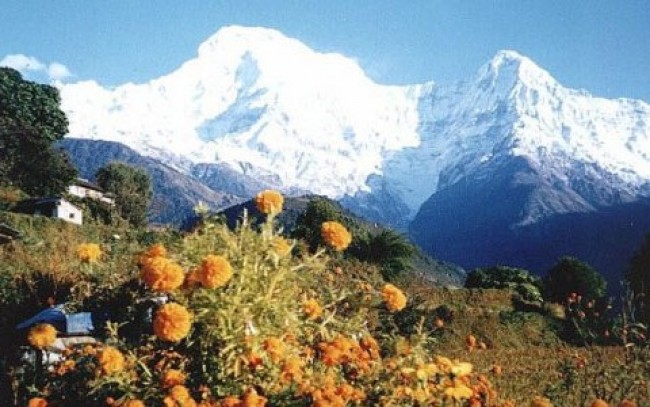
The Trans Himalayan Trail is a network of treks and trails which together form one of the longest and highest walking routes in the world. Winding beneath the world’s highest peaks...
The Trans Himalayan Trail is a network of treks and trails which together form one of the longest and highest walking routes in the world. Winding beneath the world’s highest peaks and visiting some of the most remote communities on earth; it passes through lush green valleys, arid high plateau and stunning landscapes.
Nepal’s Trans Himalaya has 10 sections comprising a network of upper and lower routes starting near Kanchenjunga on the eastern border then heading west navigating the domains of eight of the world’s 8,000m peaks, from the beautiful but lesser-known Makalu to the famous Everest. It is certainly neither the easiest nor the most direct route across Nepal, but rather it is a challenging and spectacular traverse through the Greater Himalaya. After 1,700kms, in Nepal, The Trail ends in Humla on the Tibetan border.
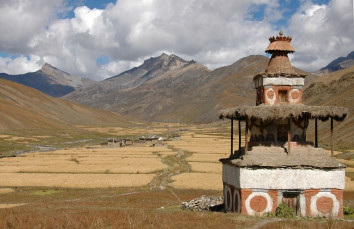
The route offers awesome diversity, not only in terms of landscapes but also of flora and fauna, peoples and cultures, from snow leopards to red pandas, from sub-tropical jungle to fragile high-altitude eco-systems, from Sherpa to Shamanism and the ancient Bon Buddhism found still in Dolpa.

 Moderate
  Moderate
 Ascend gradually, take rest days, drink water and tell your guide about any symptoms.
Treat stream water. Bottled water is available, but packing a filter keeps plastic off the trail.
Lodges above the road may charge to power devices. A power bank is worth packing.
Park and local permits are arranged as part of your trip. Bring passport photos for the paperwork.
Quieter trails and cold nights higher up. Lower routes are the comfortable choice.
Warm, dry days and the main climbing season.
Rain and cloud on most trails, with clearer weather in rain-shadow valleys.
Clear air after the monsoon and the finest mountain views of the year.