

Introduction:
Join us on an exciting photography expedition as we venture into the heart of Nepal's majestic snow-capped mountains to capture the elusive and magnificent snow leopard. This blog will take you through the top five locations in Nepal where you can encounter and photograph these elusive big cats in their natural habitat. Prepare your camera gear and embark on this thrilling journey with us!
Top 5 places in Nepal for Snow Leopard Research Team.
Langtang National Park:
Located in the Langtang region, Langtang National Park offers stunning landscapes and is a prime habitat for snow leopards. The park's diverse flora and fauna make it an ideal location for wildlife photography. Trek through the rugged terrain and keep your eyes peeled for signs of these elusive cats. With a bit of patience and luck, you might just capture the perfect shot of a snow leopard against the backdrop of snow-covered peaks.

Annapurna Conservation Area:
Renowned for its picturesque beauty, the Annapurna Conservation Area is another hotspot for snow leopard photography. The region's dense forests and high-altitude meadows provide the perfect environment for snow leopards to roam freely. While exploring this area, you'll have the opportunity to photograph not only snow leopards but also other fascinating wildlife like Himalayan tahr, musk deer, and various bird species.

Shey Phoksundo National Park:
Tucked away in the remote Dolpa region, Shey Phoksundo National Park offers a unique and tranquil setting for snow leopard photography. The park's centerpiece is the stunning Phoksundo Lake, where you can capture the reflections of snow-capped mountains on the water's surface. As you trek through the pristine landscapes, be prepared for rare encounters with snow leopards and the chance to capture these elusive creatures on camera.

Sagarmatha National Park:
Home to the world's highest peak, Mount Everest, Sagarmatha National Park is a UNESCO World Heritage Site and a sanctuary for various wildlife, including the snow leopard. Embark on a journey to Everest Base Camp while keeping an eye out for these elusive cats. The dramatic Himalayan scenery combined with the possibility of photographing a snow leopard makes this location truly awe-inspiring.

Rara National Park:
Located in the remote northwest of Nepal, Rara National Park is a hidden gem for snow leopard photography. The park's centerpiece is the pristine Rara Lake, surrounded by dense forests and snow-capped peaks. As you explore this remote wilderness, you'll have a chance to spot and photograph the elusive snow leopards that inhabit this region.
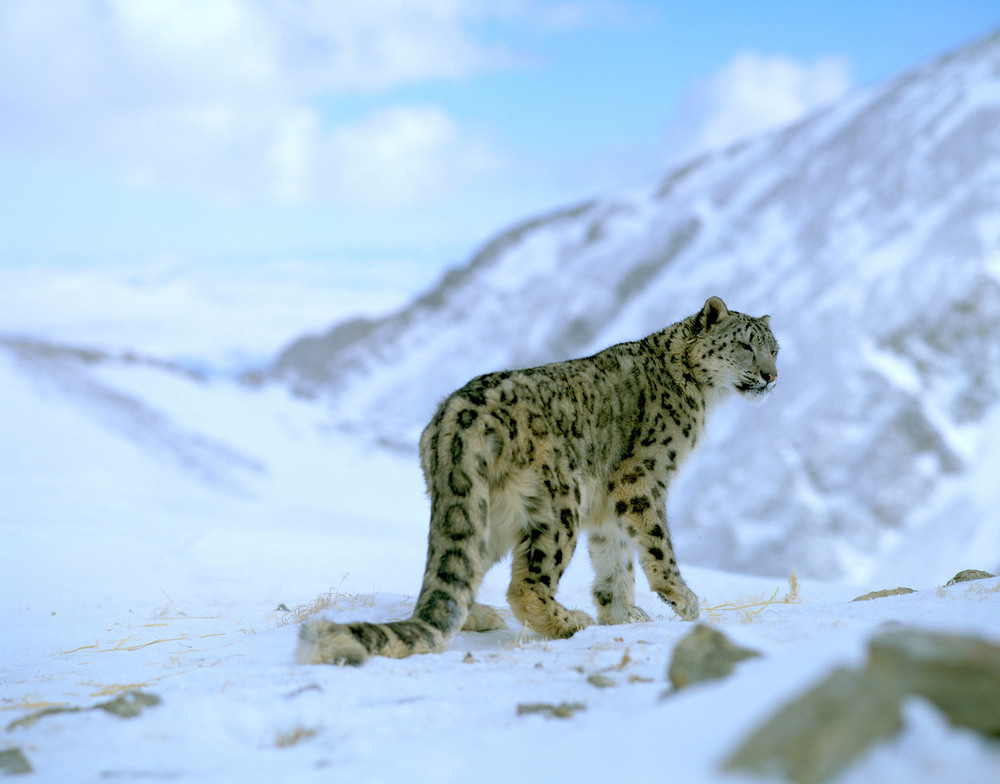

Tips for Snow Leopard Photography:
- Snow leopards are known for their elusive nature, so be prepared to spend hours or even days waiting for the perfect shot.
- Bring a telephoto lens and a sturdy tripod to capture clear and sharp images from a distance.
- Keep a safe distance from the snow leopards and avoid disturbing their natural behavior.
- Local guides are familiar with the terrain and can increase your chances of spotting snow leopards.
- Ensure your presence has minimal impact on the environment and wildlife.
FAQs
1. When is the best time to plan a snow leopard photography trip in Nepal?
The best time to visit Nepal for snow leopard photography is during the winter months, from November to February. Snow leopards are more active in colder weather and can be spotted at higher elevations during this time.
2. How challenging are the trekking routes in the top 5 locations for snow leopard photography?
Trekking routes can vary in difficulty, ranging from moderate to strenuous. It is essential to be physically fit and prepared for high-altitude conditions, especially in locations like Everest Base Camp and Rara National Park.
3. Is it safe to venture into these remote regions for snow leopard photography?
Yes, Nepal is generally safe for tourists, but it's always advisable to travel with a reputable tour operator or local guide who knows the area well. They can ensure your safety and provide necessary assistance during the trek.
4. What camera gear and equipment do you recommend for snow leopard photography?
For snow leopard photography, a telephoto lens (300mm or longer) is crucial to capture distant subjects clearly. A sturdy tripod, extra batteries, and memory cards are also essential. Additionally, consider bringing warm clothing, as temperatures can drop significantly at higher altitudes.
5. Are there any restrictions or permits required for snow leopard photography in Nepal?
Yes, certain regions in Nepal may require special permits for entry, such as the Annapurna Conservation Area and Shey Phoksundo National Park. It's essential to check the latest permit requirements and regulations before planning your trip.
6. How likely is it to spot a snow leopard during the photography trip?
Snow leopards are elusive creatures, and spotting them is not guaranteed. However, the top 5 locations mentioned in the blog have a higher probability of sightings due to their habitats and conservation efforts.
7. Can beginners in wildlife photography participate in this trip?
Absolutely! While some trekking experience and basic photography skills are beneficial, beginners are welcome to join. Hiring a local guide with photography knowledge can be helpful for learning tips and techniques.
8. What other wildlife can be encountered during the photography trip?
In addition to snow leopards, you may encounter other fascinating wildlife, including Himalayan tahr, musk deer, blue sheep, various bird species, and even the rare red panda in some regions.
9. What is the group size for the photography trip, and how can I join?
Group sizes can vary depending on the tour operator or photography workshop. You can join organized group tours or hire a private guide. Research reputable tour operators in Nepal and inquire about their upcoming snow leopard photography trips.
10. Is it possible to extend the trip to explore other attractions in Nepal after the snow leopard photography expedition?
Yes, many travelers extend their stay in Nepal to explore other iconic destinations, such as Kathmandu, Pokhara, Chitwan National Park, or Lumbini (birthplace of Buddha). It's a great opportunity to experience the rich culture and natural beauty of the country.
Conclusion
In conclusion, a snow leopard photography trip in Nepal promises to be an unforgettable and awe-inspiring experience for nature and wildlife enthusiasts. Nepal's stunning landscapes, remote wilderness, and diverse wildlife create the perfect setting for capturing these elusive big cats in their natural habitat. From the Langtang National Park to the remote Rara National Park, the top five locations mentioned in this blog offer excellent opportunities to encounter and photograph snow leopards. While the journey may present challenges, including trekking through rugged terrains and enduring high-altitude conditions, the reward of capturing the beauty and grace of snow leopards on camera is truly worth it. Patience, the right camera gear, and ethical photography practices are essential for a successful and responsible expedition. Before embarking on the trip, it's crucial to be well-prepared, physically fit, and informed about the specific locations' regulations and permit requirements. Engaging the services of a reputable tour operator or local guide with knowledge of photography and the region can enhance the overall experience and increase the chances of spotting these majestic creatures. Beyond snow leopard photography, Nepal offers a wealth of cultural and natural attractions to explore, making it an ideal destination for an extended stay and further adventures. So, if you seek to immerse yourself in the mesmerizing landscapes of the Himalayas, witness the incredible biodiversity of Nepal, and capture the essence of the elusive snow leopard through your lens, then don't hesitate to embark on this thrilling photography journey. Discover the enchanting beauty of Nepal and the mysterious allure of the snow leopard, and let your photography skills tell a story that will endure for a lifetime. As the journey unfolds, you will find yourself enchanted by the rugged beauty of the Himalayas, each step leading you closer to the elusive snow leopard's domain. The crisp mountain air fills your lungs, and the sound of rushing streams and rustling leaves accompanies you along the trek. The anticipation builds as you keep a watchful eye on the rocky cliffs and hidden crevices, hoping to catch a glimpse of the majestic cat. The local guides, with their deep knowledge of the terrain and wildlife behavior, become your mentors during this expedition. They share stories of ancient legends and cultural significance associated with the snow leopard, fostering a deeper appreciation for these magnificent creatures and their place in the delicate Himalayan ecosystem. As you make your way through the remote wilderness, you encounter other mesmerizing wildlife. Himalayan tahr gracefully leap across the rugged slopes, and the haunting call of a Himalayan Monal fills the air with a burst of color. Every encounter with these unique creatures br