
 Adventurous Save $100
 Island Peak Climbing in Nepal
From $2,890 $2,790 pp
Book Now 
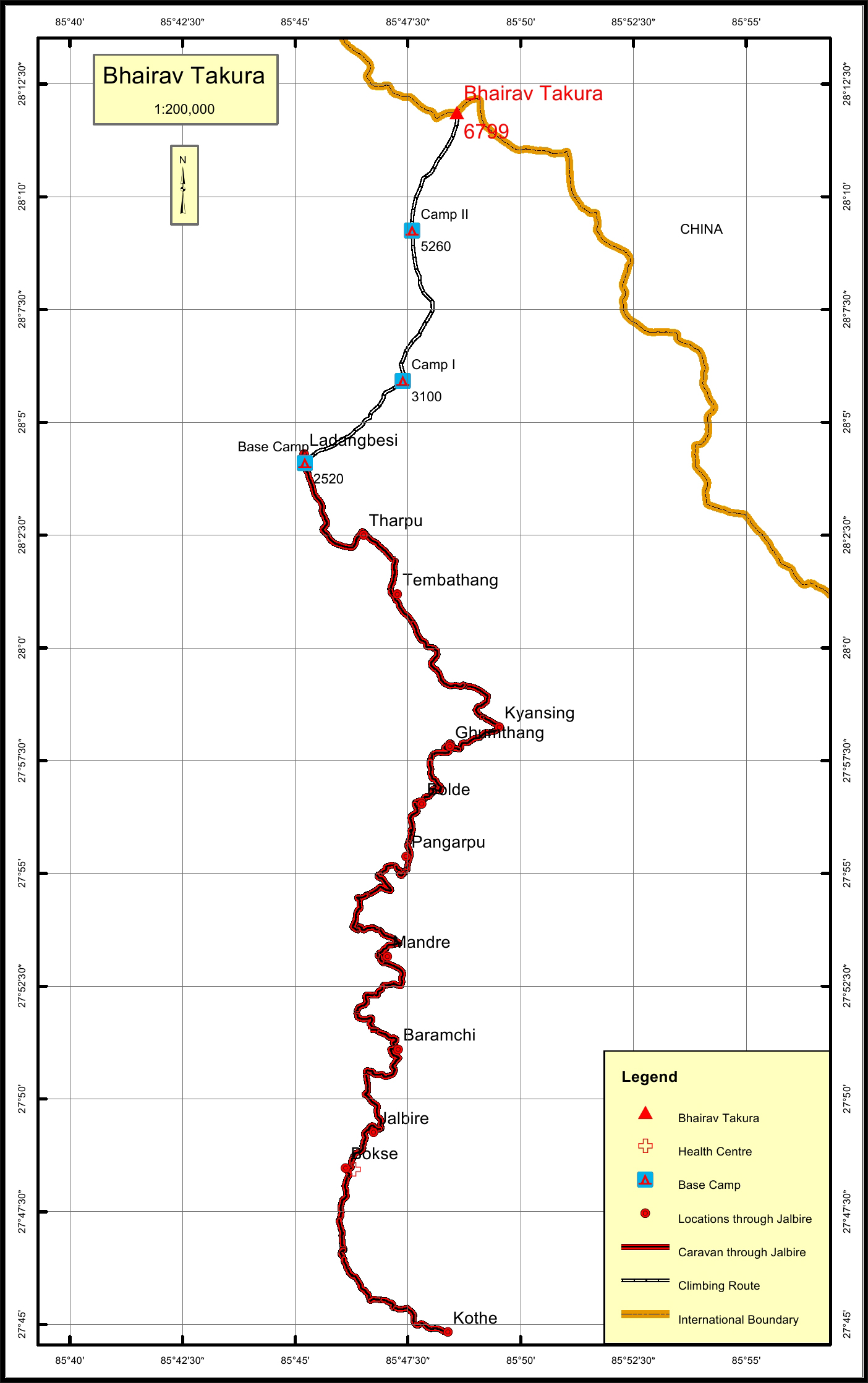
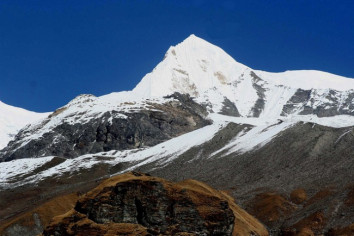
Bhairab Takura Peak (6799 m) is a stunning and challenging peak located in the eastern part of Nepal, in the Solukhumbu District. This relatively less-explored trekking and climbing destination offers a unique adventure for mountaineers seeking a less crowded but equally thrilling experience. The climb offers panoramic views of some of the world's highest peaks, including Mount Everest, Makalu, and Kanchenjunga.
Bhairab Takura lies in the Khumbu Region, part of the Sagarmatha National Park, which is known for its dramatic mountain landscapes and Sherpa culture. It is accessible via a trek from Lukla, the gateway to the Everest region, and then heading towards the Bhairab Kund area, where the climb begins. The mountain lies between the famous peaks of Makalu and Everest, providing an exceptional backdrop.
The ascent of Bhairab Takura involves a mix of trekking and technical climbing, making it suitable for experienced mountaineers. The route is challenging, involving steep sections, glaciers, and crevasses that require technical skills such as ice climbing and using ropes. The climb can take around 2-3 days from base camp to the summit, with proper acclimatization to minimize the risks of altitude sickness.
The best time for Bhairab Takura Peak climbing is during the spring (March to May) and autumn (September to November) seasons. During these periods, the weather is relatively stable, and the temperatures are favorable for climbing. The weather can be harsh during the winter months, and the monsoon season brings heavy rainfall, which can make the route treacherous.
Bhairab Takura requires a high level of physical fitness and technical climbing ability. Climbers should be prepared for the following:
The route to Bhairab Takura also offers cultural experiences as you pass through remote Sherpa villages. The Sherpa people, known for their mountaineering skills, offer warm hospitality and their unique traditions. The region is rich in Buddhist heritage, with monasteries and prayer flags dotting the landscape.
From a scenic perspective, the climb offers unparalleled views of the Himalayas, including Mount Everest, Makalu, Lhotse, Nuptse, and Kanchenjunga, as well as a variety of glaciers, lakes, and rugged landscapes.
Climbing Bhairab Takura requires special permits from the Nepal Mountaineering Association (NMA), as it is a restricted peak. You will also need permits for trekking in the Sagarmatha National Park and other local areas. It is highly recommended to hire a professional climbing guide or join an expedition with a certified agency due to the technical nature of the climb.
Bhairab Takura Peak climbing is a remarkable adventure for experienced mountaineers looking to explore a less crowded but equally rewarding peak in the Everest region. The combination of breathtaking views, technical challenges, and cultural experiences makes it a unique climbing destination in Nepal. If you're up for a challenge beyond the popular peaks, Bhairab Takura offers a truly off-the-beaten-path adventure.
 Adventurous Save $100
  Adventurous Save $200 Moderate Save $200