
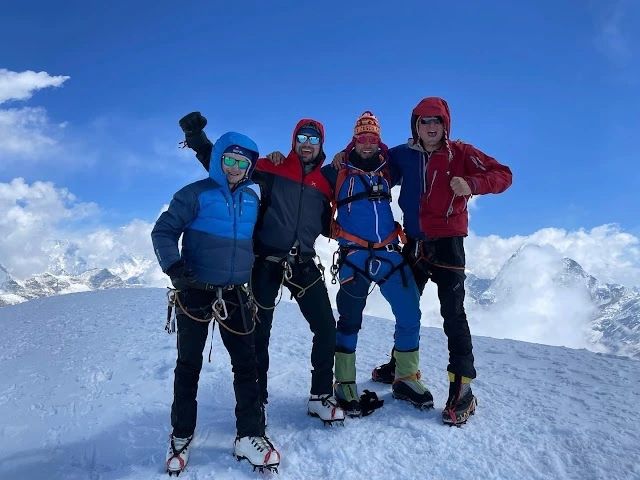
Mera Peak Climbing
Overview
Mera Peak is one of the highest trekking peaks in Nepal and a popular destination for climbers and trekkers.Mera Peak is located in the Sagarmatha (Everest) National Park, in the Khumbu region of Nepal. Mera Peak has three main summits: Mera North (6,476 meters or 21,247 feet), Mera Central (6,461 meters or 21,198 feet), and Mera South (6,065 meters or 19,898 feet). The highest, Mera North, is the most commonly climbed. Mera Peak offers stunning panoramic views of the surrounding Himalayan giants, including Everest, Lhotse, Cho Oyu, Makalu, and Kanchenjunga. It's a relatively less technical climb, making it accessible to climbers with basic mountaineering skills and experience.
The starting point for the climb is usually Lukla, which is accessible by a short domestic flight from Kathmandu.
While Mera Peak is considered a non-technical climb, it does require a good level of physical fitness, endurance, and basic mountaineering skills. The final ascent involves walking on a glacier and using ice axes and crampons. Some rope work may also be required, especially if crevasses are prevalent.
The best times to climb Mera Peak are during the pre-monsoon (spring) season (March to May) and the post-monsoon (autumn) season (September to November). These seasons generally offer stable weather conditions and clear views.
Climbing Itinerary:
Arrival in Kathmandu: Arrive in Kathmandu, obtain necessary permits, and make preparations for the climb.
Flight to Lukla: Take a domestic flight to Lukla, the starting point of the trek.
Trek to Mera Base Camp: Trek through picturesque villages, forests, and valleys to reach Mera Base Camp. Acclimatization days are usually included in the itinerary to help climbers adjust to the altitude.
High Camp: Establish a high camp on the glacier, usually around 5,800 meters (19,029 feet), as a staging point for the summit push.
Summit Day: Begin the ascent in the early morning to take advantage of firm snow conditions. The climb involves ascending a glacier and a gradual slope to the summit. Enjoy breathtaking views from the top.
Descent: After reaching the summit, descend back to high camp and continue down to lower altitudes over the next few days.
Trek Back: Return trek to Lukla and take a flight back to Kathmandu.
Permits: Climbers need to obtain a climbing permit from the Nepal Mountaineering Association (NMA) and a national park entry permit for the Sagarmatha National Park.
Guided vs. Independent: While it's possible to attempt Mera Peak independently, many climbers opt for guided expeditions led by experienced guides and Sherpas. Guides provide assistance with logistics, equipment, and navigation.
Equipment: Climbers need to bring their own mountaineering gear, including warm clothing, technical equipment (crampons, ice axe, harness, helmet), and a good sleeping bag.
Actual Adventure Private Limited has made the standard itinerary of this trail. If this cannot accomplish the requirement of the visitor, we will provide itinerary as upon the requirement of them as well. We recommend Mar to May and Aug to Nov as the best trekking season in Nepal. We organize any type of trekking in these season.
Day-by-day itinerary
Day1 Arrival at the Tribhuvan International Airport in Kathmandu (1,345 m) and transfer to the Hotel. Overnight at a hotel.
Arrival at Tribhuvan International Airport (TIA):
You'll arrive at the Tribhuvan International Airport (TIA), located in Kathmandu, Nepal. The airport is the primary gateway for international travelers visiting Nepal.
Immigration and Customs:
After disembarking, you havce to follow the signs to immigration. Have your passport, visa, and arrival card ready for processing. After that proceed to the baggage claim area to collect your luggage. Pass through customs where your bags might be subject to inspection.
Meet and Greet:
Once you exit the customs area, you'll be met by a representative from the Actual Adventure Pvt. Ltd that you've arranged your Mera Peak expedition with. The representative will have a sign with your name or the Actual Adventure Pvt. Ltd's name, making it easy to identify them.
Transfer to the Hotel:
The representative will assist with your luggage and escort you to a waiting vehicle for transportation to your hotel. The drive from the airport to your hotel in Kathmandu usually takes around 20 to 30 minutes, depending on traffic.
Check-In at the Hotel:
Upon reaching the hotel, the representative will help you with the check-in process. You'll receive information about the hotel facilities, dining options, and any activities available.
Briefing and Preparations:
Depending on the arrival time, there might be a briefing session scheduled for the day or the following morning. This briefing is where you'll receive detailed information about the upcoming trek and climbing expedition. You'll meet your guide and possibly other members of the climbing team during the briefing. During the briefing, you'll get an overview of the itinerary, safety precautions, gear requirements, and any necessary paperwork.
Free Time and Rest:
After the briefing or check-in, you'll have the rest of the day to rest, recover from your flight, and adjust to the new time zone. Feel free to explore the immediate surroundings of your hotel, engage in some light sightseeing, or simply relax.
Overnight Stay at the Hotel:
You'll spend the night at the hotel in Kathmandu. Use this time to settle in, prepare your belongings, and get a good night's sleep before starting your trekking adventure.
Day2 Permit issue, preparation, last minute shopping, briefing and Sight seeing (optional). Overnight say in Kathmandu.
Kathmandu Sightseeing, Permit Issuing, Preparation, and Briefing
Morning:
Permit Issuing:
After breakfast at the hotel, The Actual Adventure Pvt. Ltd's representative will guide you through the process of obtaining the necessary permits for your Mera Peak climb. This typically includes the Sagarmatha National Park entry permit and the Mera Peak climbing permit. You might need to provide some personal information, passport details, and a few passport-sized photos.
Last-Minute Shopping:
If there are any essential items you need for the climb that you haven't brought with you, this is a good time to do some last-minute shopping. You can visit outdoor gear shops, mountaineering stores, or other markets to purchase any missing gear or equipment. Common items might include warm clothing, gloves, headwear, trekking poles, and other necessary accessories.
Optional Sightseeing:
If you're interested and have the energy, you could use the morning to embark on a short sightseeing tour of Kathmandu's cultural sites. Popular options include visiting Swayambhunath Stupa (also known as the Monkey Temple) or Boudhanath Stupa, both of which are UNESCO World Heritage Sites.
Afternoon:
Lunch:
Enjoy a leisurely lunch at a local restaurant in Kathmandu, savoring Nepali cuisine or international dishes.
Preparation and Packing:
After having lunch, you will return to the hotel to organize and pack your gear for the trek and climb. Lay out all the items you've gathered and purchased, ensuring you have everything needed for the adventure ahead. The Actual Adventure Pvt. Ltd's representative or guide might provide you with guidelines on what to pack and how to organize your belongings.
Briefing Session:
In the afternoon, there might be a formal briefing session organized by Actual Adventure Pvt. Ltd or our guide. During this briefing, you'll receive detailed information about the itinerary, daily schedules, climbing techniques, safety protocols, and other important aspects of the expedition. This is also an opportunity to meet your guide and fellow climbers, ask questions, and clarify any doubts you might have.
Evening:
Rest and Relaxation:
After a busy day of preparation and information-sharing, take some time to relax and rest at the hotel. It's important to get a good night's sleep before the journey begins.
Dinner:
Enjoy a nourishing dinner at the hotel or explore nearby restaurants.
Overnight Stay at the Hotel:
Spend another night at the hotel in Kathmandu, resting up for the journey ahead.
Day3 Fly From Kathmandu to Lukla (2860 m: 45 min of flight) and Trek to Paiya (Chutok), (2800 m :5-6 hours of trek), Overnight stay in Paiya.
Morning:
Breakfast:
Begin our day with breakfast at the hotel in Kathmandu.
Check-Out and Transfer to the Airport:
Check out from the hotel and make sure we have all our belongings, especially our trekking permits and important documents. Our Actual Adventure Pvt. Ltd's representative will assist us in transferring to Tribhuvan International Airport for our flight to Lukla.
Flight to Lukla:
We'll board a small domestic flight from Kathmandu to Lukla. The flight is an adventure in itself, offering breathtaking views of the Himalayas as we approach the Tenzing-Hillary Airport in Lukla. The flight usually takes around 45 minutes.
Arrival in Lukla (2860m):
After landing at Lukla, we'll disembark and have a short break. Lukla is the starting point of many treks and climbing expeditions in the Everest region.
Trek to Paiya (Chutok):
Start of Trek:
Begin our trek from Lukla to Paiya (Chutok). The trekking trail gradually descends from Lukla to the Dudh Koshi River before ascending again.
Scenic Trail:
Enjoy the scenic trail as we pass through villages, lush forests, and terraced fields. The route might involve some uphill and downhill sections, offering glimpses of the local culture and natural beauty.
Lunch Break:
Take a break for lunch at a teahouse or lodge along the trail. We'll have the chance to refuel and rest.
Continuation of Trek:
Resume our trek after lunch, following the trail through more villages and landscapes.
Arrival in Paiya (Chutok) (2800m):
We'll reach Paiya (Chutok) after approximately 5 to 6 hours of trekking. Paiya is a small settlement where we'll spend the night. It's a great opportunity to interact with the locals and experience the mountain culture.
Evening:
Rest and Relaxation:
Upon arrival in Paiya, check in at the teahouse or lodge where we'll be staying for the night. Take some time to rest, freshen up, and relax after the day's trek.
Dinner:
Enjoy a hearty dinner at the teahouse or lodge, typically consisting of local and international dishes.
Overnight Stay in Paiya:
Spend the night in Paiya, resting and acclimatizing to the altitude. This is an essential part of preventing altitude-related issues as we gradually gain elevation.
Day4 Trek from Paiya (Chutok) to pangam la pass (2850m-7 Hrs.) Overnight stay in Pangam La.
Trek from Paiya (Chutok) to Pangam La Pass
Morning:
Breakfast:
Begin our day with a nourishing breakfast at the teahouse or lodge in Paiya.
Start of Trek:
Start our trek from Paiya, continuing our journey towards Pangam La Pass. The trail will gradually ascend as we make our way towards the pass. The trail will take us through dense forests, offering scenic views of the surrounding landscapes. As we ascend, we'll likely experience changes in vegetation and enjoy glimpses of the mountains in the distance.
Mid-Morning Break:
We'll take a short break along the trail to rest, hydrate, and maybe have a light snack.
Continuation of Trek:
Lunch Break:
After a few hours of trekking, we'll stop for lunch at a suitable spot along the trail or at a teahouse en route. Use this time to refuel and take a break.
Afternoon:
Ascent to Pangam La Pass (2850m):
We'll continue our trek, following the path that leads us to Pangam La Pass. Pangam La is a small pass located at an altitude of 2850 meters (9350 feet). As we approach the pass, the landscape might become more rugged, and we'll likely be rewarded with beautiful panoramic views.
Arrival at Pangam La Pass:
After a total trekking duration of approximately 7 hours, we'll reach Pangam La Pass. We'll take some time to appreciate the achievement and soak in the stunning mountain scenery that surrounds us.
Evening:
Check-In at Accommodation:
After arriving at Pangam La, check in at the teahouse or lodge where we'll be staying for the night. We'll spend the rest of the evening resting and relaxing after a long day of trekking. Use this time to enjoy the peaceful atmosphere and bond with fellow trekkers or climbers.
Enjoy a hearty dinner at the teahouse or lodge. The meal will provide the nourishment needed for your physical recovery.
Dinner and Overnight Stay in Pangam La:
We'll spend the night in Pangam La. Ensure us to get a good night's sleep to rejuvenate for the upcoming days of our trek.
Day5 Trek from Pangnam La to Thuli Kharka (3900m-6 Hrs ). Overnight stay in Thuli Kharka.
Trek from Pangnam La to Thuli Kharka
Morning:
Breakfast and Preparation:
Begin our day with a filling breakfast at the teahouse or lodge in Pangam La. Organize our daypack with essentials such as water, snacks, a hat, sunscreen, and a camera.
Start of Trek:
Depart from Pangam La and commence our trek towards Thuli Kharka. The initial part of the trail may lead through meadows and forests. As we ascend, we'll gradually leave the lower altitude landscapes behind and enter into higher alpine terrain.
Mid-Morning Break:
Take a brief break to rest and enjoy the scenery. Stay hydrated by sipping water regularly.
Continuation of Trek:
Lunch Break:
Stop for lunch at a suitable teahouse or a scenic spot along the trail. While enjoying our meal, take in the breathtaking views of the mountains and the surrounding landscapes.
Afternoon:
Passing Through Villages:
Continue our trek through charming mountain villages and remote settlements. We might have the opportunity to interact with local residents and learn about their way of life. As we near Thuli Kharka, the trail may become steeper, and we'll notice the effects of the higher altitude. We'll take our time, maintain a steady pace, and follow our guide's instructions.
Arrival at Thuli Kharka:
After approximately 6 hours of trekking, we'll reach Thuli Kharka. Thuli Kharka is a picturesque Himalayan village surrounded by panoramic views of snow-capped peaks.
Evening:
Check-In at Accommodation:
Check in at the teahouse or lodge in Thuli Kharka where we'll be spending the night. We'll spend the evening relaxing and unwinding after a day of trekking. Marvel at the clear mountain air and the breathtaking scenery that surrounds us .
Dinner Overnight Stay in Thuli Kharka:
Enjoy a warm and nourishing dinner at the teahouse or lodge. We'll engage in conversations with fellow trekkers and climbers, sharing stories and experiences. We'll spend the night in Thuli Kharka, ensuring us get sufficient rest at this higher altitude.
Day6 Trek from Thuli Kharka to Kothe (4095m-5 Hrs.); Overnight stay in Kothe.
Trek from Thuli Kharka to Kothe
Morning:
Breakfast and Preparation:
Today we'll begin our day with a nourishing breakfast at the teahouse or lodge in Thuli Kharka. Then we'll check our daypack to ensure we have all the essentials for the day's trek.
Start of Trek:
We start our trek from Thuli Kharka and setting out for the village of Kothe. The trail may descend initially before gradually ascending. The path will take us through beautiful alpine landscapes, offering stunning views of the mountains and valleys.
Mid-Morning Break:
Take a brief break along the trail to rest, hydrate, and maybe have a small snack.
Lunch Break:
Along the way we pause for lunch at a teahouse or a suitable spot on the trail. Here we will enjoy our meal while taking in the scenic surroundings.
Afternoon:
Ascent to Kothe (4095m):
We'll continue our trek towards Kothe, ascending to the village located at an altitude of 4095 meters. The trail will lead us through dense forests and open meadows, offering varying landscapes.
Arrival at Kothe:
After approximately 5 hours of trekking, we'll reach Kothe. Kothe is a charming village situated along the trekking route and surrounded by natural beauty.
Evening:
Check-In at Accommodation:
Upon arrival in Kothe, check in at the teahouse or lodge where we'll be staying for the night. We'll spend the evening unwinding and enjoying the serene ambiance of Kothe. We'll be at a higher altitude, so make sure to take it easy and stay hydrated.
Dinner:
Have a delicious dinner at the teahouse or lodge, typically consisting of local and comforting dishes.
Overnight Stay in Kothe.
Day7 Trek from Kothe to Thangnak (4,350m-5 Hrs.); Overnight stay in Thangnak.
Trek from Kothe to Thangnak
Morning:
Breakfast and Preparation:
Today we'll begin our day with a hearty breakfast at the teahouse or lodge in Kothe. We'll ensure that we have all the necessary gear and supplies for the day's trek.
Start of Trek:
We'll embark on our trek from Kothe, setting out towards the village of Thangnak. The trail might involve a gradual ascent as we continue our journey. We'll enjoy the stunning views of the surrounding mountains and landscapes as we trek through this remote region.
Mid-Morning Break:
Along Take a short break along the trail to rest and refuel. Stay hydrated by sipping water regularly.
Continuation of Trek:
Lunch Break:
Along the way we will stop for lunch at a suitable spot or a teahouse en route. We'll use this time to relax and recharge before continuing our trek.
Afternoon:
Ascent to Thangnak (4350m):
We'll continue our trek, ascending towards the village of Thangnak. The trail might become steeper as we gain altitude.
Arrival at Thangnak:
After approximately 5 hours of trekking, we'll reach Thangnak. Thangnak is a higher-altitude settlement, providing a gateway to further trekking and climbing adventures.
Evening:
Check-In at Accommodation:
In the evening we'll check in at the teahouse or lodge in Thangnak where we'll be spending the night. We'll spend the evening resting and acclimatizing to the higher altitude of Thangnak. We'll take in the breathtaking views and the pristine mountain environment.
Dinner:
We'll enjoy a warm and nourishing dinner at the teahouse or lodge, replenishing our energy for the next day's trek.
Overnight Stay in Thangnak.
Day8 Rest and acclimatization day at Thangnak, explore and hike.
Rest and Acclimatization Day at Thangnak
Morning:
Breakfast:
We'll start our day with a leisurely breakfast at the teahouse or lodge in Thangnak. Here we'll enjoy a hearty meal to fuel our day of exploration and acclimatization.
Acclimatization Hike:
Today is dedicated to acclimatization, which is essential as we continue to ascend to higher altitudes. Our guide might plan a short hike to a higher elevation and then return to Thangnak for the night. This helps our body adapt to the thinner air and reduces the risk of altitude-related issues. During our acclimatization hike, we'll have the opportunity to soak in panoramic views of the surrounding mountains and landscapes.
Enjoy Nature:
In our rest day, we'll take our time to enjoy the natural beauty of the area, which might include serene alpine meadows, glacial streams, and breathtaking vistas.
Afternoon:
Lunch:
In middle of our hiking site, either we will pause in a open place where we'll enjoy a packed lunch or return to the teahouse for a midday meal, depending on the schedule. After our acclimatization hike, we'll spend the afternoon resting and relaxing at the teahouse or lodge. We'll choose to use this time to recharge, read, or simply take in the mountain views.
Evening:
Dinner and overnight Stay in Thangnak:
We'll have a nourishing dinner at the teahouse or lodge, enjoying a meal with fellow trekkers and climbers. We'll spend another night in Thangnak, allowing our body to further adjust to the altitude.
Day9 Trek from Thangnak to Khare (5,045m-4 Hrs.); Overnight stay in Khare.
Trek from Thangnak to Khare
Morning:
Breakfast and Preparation:
Begin our day with a hearty breakfast at the teahouse or lodge in Thangnak. Check our gear, make sure we have our essentials, and prepare for the day's trek.
Start of Trek:
Start our trek from Thangnak towards the destination of Khare. The trail might lead through high-altitude terrain as we continue our ascent.
Stunning Landscapes:
As we trek, we'll take in the breathtaking vistas of the surrounding peaks and glaciers. The landscape becomes increasingly rugged and awe-inspiring as we approach Khare.
Mid-Morning Break:
We'll take a short break along the trail to rest and enjoy the views. Staying hydrated is crucial at higher altitudes.
Continuation of Trek:
Lunch Break:
We'll pause for lunch at a teahouse or suitable spot along the trail. We'll use this time to refuel and rest before the final stretch to Khare.
Afternoon:
Arrival at Khare (5045m):
After approximately 4 hours of trekking, we'll arrive in Khare. Khare is the base camp for Mera Peak climbing and a crucial point on our journey.
Evening:
Check-In at Accommodation:
Upon arriving in Khare, check in at the teahouse or lodge where we'll be staying for the night. We'll spend the evening resting and acclimatizing to the higher altitude of Khare.We're now at a significant altitude, so give our body time to adjust.
Dinner and overnight Stay in Khare:
After enjoy a nourishing dinner at the teahouse or lodge, fueling up for the days ahead, we'll spend the night in Khare, preparing for the next stages of our Mera Peak climbing expedition.
Day10 Rest, preparation and acclimatization day at Khare.
Rest, Preparation, and Acclimatization Day at Khare
Morning:
Breakfast:
We'll start our day with a wholesome breakfast at the teahouse or lodge in Khare. We'll fuel our body for the day's activities and acclimatization efforts.
Acclimatization Hike:
Similar to our previous acclimatization day, this day is dedicated to further adapting to the higher altitude. Our guide might lead us on a short hike to a higher elevation and then return to Khare for the night.
Preparation and Packing:
Climbing Gear Check:
We'll use this day to check and organize our climbing gear, ensuring everything is in proper condition. Double-check our harness, crampons, ice axe, and other equipment required for the climb.
Briefing and Training:
Our guide might provide a briefing on climbing techniques, safety measures, and the plan for the upcoming summit attempt. We might also receive some training on using the climbing equipment, if necessary.
Afternoon:
Lunch:
Enjoy a nourishing lunch at the teahouse or lodge, refueling for the day's activities.
Rest and Relaxation:
We'll spend the afternoon resting and relaxing at the lodge. We'll use this time to read, journal, or simply appreciate the mountain views.
Evening:
Dinner:
In the evening, we'll have a satisfying dinner at the teahouse, sharing stories with fellow trekkers and climbers.
Overnight Stay in Khare.
Day11 Trek to Mera Peak High Camp (5700m-5 Hrs.) from Khare, camping at High Camp.
Trek to Mera Peak High Camp
Morning:
Breakfast and Packing:
We'll begin our day with a nourishing breakfast at the teahouse or lodge in Khare. We'll pack our climbing gear, essential items, and warm clothing for the trek to Mera Peak High Camp.
Start of Trek:
We'll start our trek from Khare towards the High Camp of Mera Peak. The trail will involve a steep ascent as we climb to higher elevations. We'll enjoy the ever-changing landscapes as we make our way through rocky terrain and snow-covered paths.
Mid-Morning Break:
We'll take short breaks along the trail to rest and hydrate. As we gain altitude, it's crucial to pace ourself and manage our energy levels.
Continuation of Trek:
Lunch Break:
We'll have a packed lunch on the trail or stop at a suitable spot along the way. We'll use this time to rest and refuel for the rest of the journey.
Afternoon:
Arrival at Mera Peak High Camp (5700m):
After approximately 5 hours of trekking, we'll arrive at Mera Peak High Camp. High Camp serves as the base for our summit push and provides stunning views of the surrounding peaks.
Camp Setup:
Upon arrival, our team will set up the campsite for the night. We'll follow our guide's instructions to ensure that the camp is properly established.
Evening:
Rest and Acclimatization:
We'll spend the evening resting and acclimatizing to the higher altitude of the High Camp. We'll take it easy and allow our body to adjust before the summit attempt.
Dinner and Camping at High Camp:
We'll enjoy a warm and nourishing dinner at the High Camp. A satisfying meal will fuel our body for the challenges of the following day. We'll spend the night in tents at the High Camp.
Day12 Summit Days; Mera High Camp to Summit (6,470m, 10 Hrs.) and return to Khare.
Early Morning:
Wake-Up and Preparation:
We'll start our day very early, typically around 2 AM or 3 AM, to begin our summit attempt. We'll have a light breakfast and ensure we're dressed in our warmest and most appropriate gear.
Start of Summit Push:
We'll begin our ascent from Mera High Camp to the summit of Mera Peak. The route will involve climbing on snow and ice, and we'll be using crampons, ice axes, and ropes.
Challenging Ascent:
The climb to the summit is challenging and demanding due to the altitude and technical terrain. We'll follow our guide's instructions and maintain a steady pace. As we climb higher, we'll likely witness the spectacular sunrise over the Himalayas, creating a breathtaking panorama.
Mid-Morning:
Approach to the Summit:
We'll continue our ascent, negotiating crevasses and navigating through the ice and snow. The final stretch to the summit might involve some steep sections.
Mera Peak Summit (6470m):
After approximately 8 to 10 hours of challenging climbing, we'll reach the summit of Mera Peak. After reaching to the summit we'll enjoy a sense of accomplishment and the unparalleled views of the surrounding peaks. We'll spend celebrate the successful climb, congratulate eachother to be there and click some photograph for memories. Later on, we prepare for descend to lower.
Descent Begins:
Now we'll begin our descent from the summit back to Mera High Camp. Descending can be physically demanding as well, so stay focused and cautious.
Afternoon:
Arrival at High Camp:
After several hours of descent, we'll reach Mera High Camp and will take a well-deserved break and replenish our energy with food and rest.
Return to Khare:
Start of Descent to Khare:
Following our time at High Camp, we'll descend further to return to Khare. The descent can be long and tiring, but our progress is gradual.
Evening:
Arrival at Khare:
After a total trekking duration of approximately 10 hours, we'll arrive back in Khare. Our summit attempt is a tremendous accomplishment, and Khare serves as our base for recovery. We'll spend the evening resting, recovering, and celebrating the successful summit of Mera Peak.
Dinner and Overnight Stay in Khare:
Here we will serve well-deserved dinner at the teahouse or lodge in Khare. We'll reflect on our journey and rest up for the next phase of our adventure.
Day13 Contingency day for weather conditions.
Contingency Day
A contingency day is an essential part of any climbing or trekking itinerary, especially in high-altitude environments where weather conditions can be unpredictable. This extra day acts as a buffer in case your original plans are affected by unfavorable weather, ensuring that you have the flexibility to adjust your schedule accordingly.
Morning:
Assessment of Weather:
On this day, our guides and expedition leaders will closely monitor the weather conditions. If the weather on the summit day was not favorable or if it's anticipated that the conditions won't be suitable, the contingency day comes into play.
Decision Making:
Based on the weather assessment, our expedition leader and guides will make an informed decision regarding the summit attempt. Safety is always the top priority, and decisions will be made with our well-being in mind.
Options:
If the weather conditions improve, we may proceed with the summit attempt on this day. If the weather remains unfavorable, the contingency day provides an additional opportunity for the summit push.
Alternatives:
If the summit attempt is not feasible due to continued bad weather, our guides might suggest alternative activities for the day, such as short hikes or exploration in the vicinity of our base camp.
Afternoon:
Preparation and Rest:
Use the afternoon for rest, relaxation, and staying prepared for the possibility of resuming our summit attempt.
Evening:
Briefing:
Our guides will provide us with updated information about the weather and the plan for the following day. Be attentive to any announcements and instructions from your guides.
Overnight Stay:
Spend another night at the same base camp (Khare or Mera High Camp), depending on the situation).
Day14 Trek from Khare to Kothe (4095m: 6-7 hours of trek). Overnight stay in Kothe.
Trek from Khare to Kothe
Morning:
Breakfast and Preparation:
We'll start our day with a satisfying breakfast at the teahouse or lodge in Khare. We'll prepare our gear and ensure we have everything we need for the day's trek.
Start of Trek:
We'l begin our trek from Khare, setting out on the trail that leads to Kothe. The route will involve descending from the higher altitude of Khare. We'll enjoy the downhill path as we descend through varied landscapes, including alpine meadows and forested areas.
Mid-Morning Break:
We'll take a short break along the trail to rest and rejuvenate.
Continuation of Trek:
Lunch Break:
We'll pause for lunch at a teahouse or a suitable spot on the trail. We'll utilize this time to rest and refuel for the remainder of the day's journey.
Afternoon:
Arrival in Kothe (4095m):
After approximately 6 to 7 hours of trekking, we'll arrive in Kothe. Kothe, with its lower altitude, provides a refreshing change in scenery.
Evening:
Check-In at Accommodation:
Check in at the teahouse or lodge in Kothe where we'll be spending the night. We'll spend the evening relaxing and reflecting on our journey. The lower altitude of Kothe will likely feel more comfortable after spending time at higher altitudes.
Dinner and overnight Stay in Kothe:
We'll enjoy a well-deserved dinner at the teahouse or lodge, savoring local and international dishes. We'll spend the night in Kothe, enjoying a peaceful rest after a day of trekking.
Day15 Trek from Kothe to Thuli Kharka (3900m-5 Hrs of trek.). Overnight stay in Thuli Kharka.
Trek from Kothe to Thuli Kharka
Morning:
Early in the morning we'll have a nutritious breakfast at the teahouse or lodge in Kothe.Then after we'll pack our gear and essentials for the day's trek and begin our trek from Kothe, setting out towards the destination of Thuli Kharka. The trail will involve ascending back to a higher altitude. Through the trial we'll enjoy the scenic beauty of the landscape as we make our way through forests, meadows, and picturesque settings.
Mid-Morning Break:
Take a short break to rest, hydrate, and take in the views.
Continuation of Trek:
Lunch Break:
After some hours of trek we'll stop for lunch at a teahouse or a suitable spot along the trail. We'll use this time to refuel and recharge as well for the rest of the day's journey.
Afternoon:
Ascent to Thuli Kharka (3900m):
We'll continue our trek, ascending towards Thuli Kharka. The trail might become steeper as we approach the village.
Arrival at Thuli Kharka:
After approximately 5 hours of trekking, we'll reach Thuli Kharka. Thuli Kharka is a familiar place, and we might notice the changes in the environment as we return.
Evening:
Check-In at Accommodation:
Upon arriving in Thuli Kharka, we'll check in at the teahouse or lodge where we'll be staying overnight. We'll spend the evening resting and reflecting on our journey. The familiarity of Thuli Kharka provides a sense of comfort as we wind down.
Dinner and overnight Stay in Thuli Kharka:
We'll enjoy a delicious dinner at the teahouse or lodge, reconnecting with other trekkers. We'll spend the night in Thuli Kharka, taking in the tranquility of the mountain environment.
Day16 Trek from Thuli Kharka to Lukla (2850m-7 Hrs of trek); Overnight stay in Lukla.
Trek from Thuli Kharka to Lukla
Morning:
Breakfast and Packing:
We'll start our day with a hearty breakfast at the teahouse or lodge in Thuli Kharka.and pack our gear and essentials for the final trekking day to Lukla.
Start of Trek:
We'll begin our trek from Thuli Kharka towards the town of Lukla. The trail will involve descending to lower altitudes as we make our way back. We'll enjoy the changing scenery as we walk through forests, open areas, and charming villages.
Mid-Morning Break:
We'll take a short break along the trail to rest, hydrate, and enjoy the views.
Continuation of Trek:
Lunch Break:
We'll stop for lunch at a teahouse or a suitable spot on the trail. We'll utilize this time to recharge and refuel for the remainder of the day's trek.
Afternoon:
Arrival in Lukla (2850m):
After approximately 7 hours of trekking, we'll arrive in Lukla. Lukla marks the end of our trekking journey and the place where we initially landed by flight.
Evening:
Check-In at Accommodation:
Check in at the teahouse or lodge in Lukla where we'll be spending the night. We'll spend the evening relaxing and reflecting on our incredible journey. Lukla's lower altitude and bustling atmosphere provide a contrast to the higher regions.
Dinner and Overnight Stay in Lukla:
In the evening, we'll enjoy a celebratory dinner at the teahouse or lodge, marking the successful completion of our trek. We'll spend the night in Lukla, enjoying the comfort of lower altitudes and familiar surroundings.
Day17 Fly to Kathmandu, transfer to Hotel, explore city, and farewell dinner in the evening. Overnight stay in Kathmandu.
Fly to Kathmandu, Explore City, and Farewell Dinner
Today is the final day in lukla.
Morning:
Early Breakfast:
We'll start our day with an early breakfast at the teahouse or lodge in Lukla. We'll prepare for our departure and check-out from the accommodation.
Flight to Kathmandu:
We'll head to Lukla Airport for our scenic flight back to Kathmandu. The flight offers one last opportunity to take in the breathtaking views of the mountains and landscapes.
Arrival in Kathmandu:
Upon arrival at Tribhuvan International Airport in Kathmandu, we'll be met by our representatives from The Actual Adventure Pvt. Ltd. They will assist us with transferring to our hotel in the city.
Hotel Check-In:
Check in at our hotel in Kathmandu and freshen up after the trek.
City Exploration:
Free Time and Rest:
After checking in, we'll take some time to relax and rest from our trekking adventure.
Lunch:
We'll enjoy a leisurely lunch at the hotel or at a local restaurant.
City Tour (Optional):
If you're feeling up to it, consider embarking on a guided city tour of Kathmandu. We'll visit historical and cultural sites such as Boudhanath Stupa, Pashupatinath Temple, Swayambhunath Stupa (Monkey Temple), and more.
Souvenir Shopping:
Take advantage of the opportunity to do some last-minute souvenir shopping in Kathmandu's vibrant markets.
Evening:
Farewell Dinner:
In the evening, gather for a farewell dinner with your trekking group and guides. We'll enjoy a delicious Nepali meal and reflect on our journey together.
Overnight Stay in Kathmandu:
We'll spend the night in our hotel in Kathmandu, relishing the comfort of a cozy bed.
Day18 Departure from Kathmandu
Departure from Kathmandu
Today is the final day final day of our stay in Kathmandu.You will have to be prepare for returning home.
Morning:
In the morning, you will enjoy your final breakfast in Kathmandu at the hotel's dining area. Take your time to pack your belongings and ensure you have everything you need for your departure.
Check-Out from Hotel:
We'll check out of our hotel room, settling any outstanding bills. If you have any belongings stored with the hotel, make sure to retrieve them.
Airport Transfer:
The Actual adventure pvt.Ltd will arrange for a comfortable and timely transfer from the hotel to Tribhuvan International Airport. Be ready at the designated time, and our driver will help with your luggage.
Airport Procedures:
Arrive at the airport with ample time before your flight's departure. Follow the airport's procedures for check-in, security checks, and immigration.
Flight Departure:
Board your flight back home, bidding farewell to the vibrant city of Kathmandu and the stunning landscapes of Nepal.
What’s included
Cost includes
- Hotel accommodation in Kathmandu with breakfast as per the programme.
- Airport / Hotel transfers.
- expert guides and porters
- Three meals in a day (Breakfast, Lunch, Dinner) with hot beverage and snacks whilst on trekking.
- Tented camp & Cozy guesthouse accommodation whilst on trekking.
- Sagarmatha National Park entry and trekking peak royalty fees.
- All necessary staff with an experienced fluent English speaking trekking and expedition guide trained and licensed by Nepal Mountaineering Association (NMA), cook and assistant expedition guide.
- Highly experienced trekking porters to carry luggage (1porter per 2 trekkers).
- Staff food, accommodation, clothing, salary & insurance.
- All necessary ground transportation.
- All governmental paperwork’s and procedures.
- All government and local taxes.
- Satellite phones and Gamow bag.
- Exclusive Medical Kit Bag
- Farewell dinner in Kathmandu at typical Nepali restaurant.
Cost excludes
- Visa fee for Nepal.
- International airfares, extra baggage and cargo charges
- Visa fee
- Personal trekking equipment, travel and medical insurance and helicopter rescue, personal expenses.
- Meals and extra night (more than stated in itinerary) accommodation in Kathmandu.
- Personal expenses
- Personal expedition equipment.
- Bar and beverage bills.
- Your Travel and rescue Insurance.
- Rescue & Evacuation costs.
- Your optional and extended trips e.g. sightseeing, rafting etc. (other than the negotiated)
- Gratitude (tip) for staff.
Note
All conditions stated in the itinerary are for the visitors who prefer full package programme. At the same time, we also serve you based on your choice. The selection of itineraries and the staff depends on your choice and financial procurement. We have options for any partial visit as per your requirement regarding your interest and financial condition.
Route map and altitude profile

Fixed departures
FAQs
Mera Peak Climbing Difficulties
Mera Peak climbing is a challenging adventure that involves ascending to a high-altitude summit in the Himalayas. While the climb itself is considered non-technical, there are several difficulties and challenges associated with Mera Peak climbing that you should be aware of:
Altitude:
Altitude is one of the most significant challenges during Mera Peak climbing.
The summit of Mera Peak reaches an elevation of 6,476 meters (21,247 feet), which is considered high altitude.
Altitude sickness, also known as acute mountain sickness (AMS), can affect climbers as they ascend to higher altitudes. Symptoms may include headache, nausea, dizziness, and shortness of breath.
Physical Fitness:
Mera Peak climbing requires a good level of physical fitness.
The trek involves long hours of walking, steep ascents, and descents, often on uneven and challenging terrain.
Climbers need to have a reasonable level of cardiovascular endurance, strength, and stamina to tackle the trek and summit push.
Climbing Gear and Techniques:
While Mera Peak is considered a "trekking peak," certain climbing gear and techniques are required for the summit push.
Climbers must use crampons, ice axes, ropes, and harnesses during the ascent.
Basic knowledge of climbing techniques, such as using crampons and an ice axe, is necessary.
Weather Conditions:
Weather conditions in the Himalayas can be highly unpredictable.
Sudden changes in weather, including snowstorms and whiteouts, can occur, affecting visibility and making navigation challenging.
Technical Skills:
While Mera Peak is classified as a non-technical climb, some basic mountaineering skills are required.
Climbers should be comfortable using ropes and harnesses, and they should be able to negotiate crevasses and rocky terrain.
Remote Environment:
The trek to Mera Peak involves remote and isolated areas with limited infrastructure.
Medical facilities are scarce, and evacuation from high altitudes in case of emergencies can be challenging.
Acclimatization:
Acclimatization is crucial to avoid altitude sickness and ensure a safe ascent.
The climb includes rest days and acclimatization hikes to help climbers adjust to the thin air.
Mental Challenges:
Climbing at high altitudes can have psychological effects, including fatigue, irritability, and mood changes.
The physical and mental challenges of the climb require mental resilience and determination.
Equipment and Packing:
Packing appropriately for the varying weather conditions and altitude changes is important.
Carrying the right gear, including warm clothing, sleeping bags, and personal items, is essential for a successful climb.
Logistics and Planning:
Coordinating logistics, obtaining necessary permits, and planning the itinerary are essential for a smooth climb.
Ensuring a well-organized and experienced team, including guides and porters, is crucial for safety and success.
What are the best season for Mera Peak climbing?
The best seasons for Mera Peak climbing are spring (March to May) and autumn (September to November). Spring boasts stable weather, clear skies, and mild temperatures, with vibrant landscapes adorned with alpine flowers. Autumn offers similar benefits, including excellent visibility, pleasant temperatures, and well-defined trails. Both seasons provide optimal conditions for a safe and enjoyable climb, showcasing breathtaking mountain views and the allure of the Himalayas. It's essential to choose between these seasons based on your preferences, trekking experience, and the weather conditions that best suit your adventure.
What are the permit documents require for Mera Peak Climbing?
For Mera Peak climbing, several permit documents are required to ensure a safe and regulated trekking experience in the Sagarmatha National Park region.
Here are the main permit documents you'll need:
TIMS Card (Trekkers' Information Management System):
The TIMS card is mandatory for all trekkers in Nepal, including those climbing Mera Peak.
It helps in maintaining a database of trekkers and ensuring their safety.
It can be obtained through a registered trekking agency in Kathmandu or directly from the Nepal Tourism Board.
Sagarmatha National Park Entry Permit:
The Sagarmatha