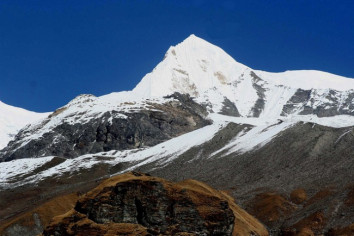
Pandra Peak, often overshadowed by its more famous Himalayan counterparts, is an emerging destination for mountaineering enthusiasts seeking a less crowded yet challenging climbing experience in Nepal. Nestled in the remote regions of the Nepalese Himalayas, the peak offers an exciting adventure with panoramic views of towering peaks, unspoiled landscapes, and rich cultural encounters.
Key Highlights
Altitude and Location:
- Pandra Peak stands at an approximate altitude of 6,000–7,000 meters (depending on the specific peak labeled "Pandra").
- It is located in a region known for its pristine wilderness and breathtaking scenery, often linked with either the Annapurna or Langtang trekking zones.
Climbing Difficulty:
- Rated as a trekking peak, Pandra Peak is suitable for climbers with basic mountaineering experience.
- The climb typically includes glacier walking, ropework, and navigating snowfields, making it ideal for beginners stepping into alpine expeditions.
Cultural Experience:
- The trail to Pandra Peak traverses through traditional Himalayan villages, allowing climbers to engage with Tibetan Buddhist culture and enjoy the warmth of local hospitality.
Scenic Splendor:
- Offers 360-degree views of iconic peaks such as Annapurna, Manaslu, or Langtang Lirung, depending on its specific location.
- The journey also includes stunning vistas of lush valleys, glacial rivers, and dense alpine forests.
Climbing Itinerary
The expedition to Pandra Peak typically lasts around 14 to 20 days, including acclimatization and preparation days. A standard itinerary involves:
- Kathmandu Arrival:
- A day or two for permits, gear checks, and cultural sightseeing.
- Trekking to Base Camp:
- A multi-day trek through picturesque villages, terraced fields, and rhododendron forests.
- Climbing Period:
- 3-4 days for summit attempts and acclimatization at base and high camps.
- Descent and Return:
- Retrace the trail back to the starting point.
Best Season to Climb
- Spring (March-May): Clear skies, stable weather, and blooming flora make it a perfect time for climbing.
- Autumn (September-November): Crisp air and stunning visibility offer great conditions.
Required Permits
Climbers need to secure the following:
- Trekking Peak Permit: Issued by the Nepal Mountaineering Association (NMA).
- TIMS Card: Trekkers’ Information Management System for safe tracking.
- Conservation Area Permits: Depending on the region (e.g., ACAP for Annapurna or Langtang National Park entry).
Preparation and Gear
- Physical Fitness: Moderate to advanced fitness levels are essential.
- Gear: Includes mountaineering boots, crampons, ice axes, harnesses, and warm clothing.
- Guides and Porters: Hiring experienced guides is recommended for safety and navigation.
Why Climb Pandra Peak?
- Less Crowded: Offers a serene alternative to busier peaks like Island Peak or Mera Peak.
- Skill Building: Ideal for those looking to transition from trekking to mountaineering.
- Affordable Adventure: Lower permit fees and costs compared to higher peaks.
Pandra Peak climbing is a rewarding journey that combines adventure, natural beauty, and cultural immersion, making it an excellent choice for aspiring mountaineers and trekkers alike.

 Adventurous Save $100
 Adventurous Save $200